

Finding family friendly floating hotels requires looking far past wide-angle promotional photos that hide steep companionways, low guardrails, and narrow cabin doors. Over twelve years of inspecting more than seventy floating properties worldwide, I have seen parents struggle with heavy double buggies on slippery tidal gangways and discover too late that a picturesque floating terrace has no child safety railings above a swift river current. Staying on the water offers children an unforgettable adventure, but marine environments carry inherent physical risks and strict spatial constraints that conventional land hotels never present.
To qualify as a genuine family-ready water stay, a floating property must offer predictable mooring stability, verified multi-bed cabins or interconnecting floating cabins, and enforceable water safety protocols. This field guide examines eleven thoroughly tested botels and floating resorts across Europe, the Middle East, and Southeast Asia, plus one cautionary benchmark. I evaluate their gangway stroller accessibility, deck barrier engineering, infant crib policy, and extra bed surcharges so you can choose a safe, comfortable berth for your family.
Selection Criteria, Filtering Concept, and Comparison Matrix
Floating accommodations operate under marine regulations and physical constraints that differ fundamentally from land structures. To build this comparative registry, I assessed every property against three non-negotiable operational baselines:
- Mooring Stability and Gangway Access: Certified shore-to-ship gangways capable of accommodating folding strollers, with stable mooring systems (spud poles, heavy steel cables, or permanent quayside dolphins) that minimize wake-induced motion in passenger berths.
- Verified Multi-Bed Cabin Configurations: Dedicated quadruple family rooms, built-in bunk bed cabins, adjoining suites, or documented baby cot approvals. Properties that enforce a strict two-guest cap without extra beds are categorized purely as cautionary benchmarks.
- Perimeter Water Barriers and Emergency Hardware: Deck edge protection adhering to standard passenger barrier heights (minimum 1,000 mm), baluster spacing preventing pass-through, secure locks on waterside windows or balconies, and availability of certified life jackets for toddlers and infants.
To assist parents planning across varied age brackets and travel formats, the comparison table below incorporates structured operational parameters. A dedicated sorting and filtering interface can be applied using the following technical variables: Age Suitability (Infants 0–2 / Young Children 3–6 / School Age & Teens 7+), Cabin Architecture (Multi-Bed Quad / Bunk Berth / Interconnecting / 2-Guest Strict Limit), Mooring Dynamic (Sheltered Basin / Tideless Canal / Rapid River / Deep Lake), and Transfer Type (Direct Shore Gangway / Municipal Ferry / Long-Tail Boat).
| Floating Hotel | City / Location | Vessel & Stay Type | Price From | Primary Family Advantage | Main Drawback / Cautionary Risk |
|---|---|---|---|---|---|
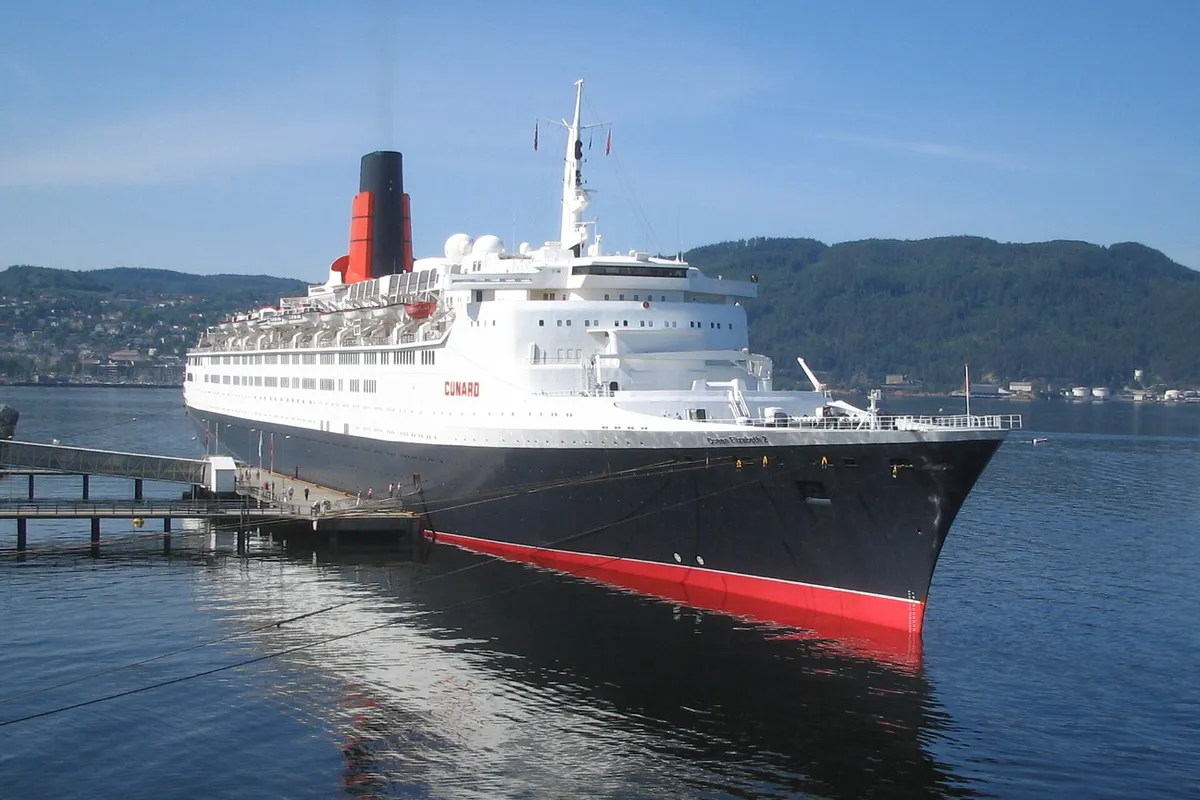
| Queen Elizabeth 2 | Dubai, UAE | Converted Historic Ocean Liner | 350 AED | Children aged 0–11 stay free sharing beds; 17 m² family rooms with adjoining single cabin | Deep draft historic ship layout; interior entry-level cabins lack natural light |
| Sunborn London Yacht Hotel | London, UK | Moored Luxury Superyacht | 180 GBP | 30 m² Family Rooms with pull-out sofa sleeping 2 adults + 2 children; step-free dock | Mandatory £40/day card or £100 cash incidentals deposit; cold dockside winds |
| Fingal | Edinburgh, UK | Moored Heritage Botel Tender | 264 GBP | Under-5s stay free; interconnecting Classic Cabins for larger family groups | Zero rollaway beds permitted; mandatory £50 supplement per night for ages 6–11 |
| Hotel Barken Viking | Gothenburg, Sweden | Historic 4-Masted Barque Botel | 889 SEK | Quadruple family cabins (25 m²) with two twin bunk sets; 500 m to main railway | Steep shipboard companionway stairs (50° angle); narrow original doorways |
| Botel Amsterdam | Amsterdam, Netherlands | Canal Botel Barge | 95 EUR | Deluxe Quadruple Cabins across twin zones; free 10–14 min municipal ferry | Rooftop letter suites feature steep ladder-style steps hazardous for young kids |
| The FloatHouse River Kwai | Sai Yok, Thailand | Floating Teak Villas | 4,800 THB | Kids 0–6 stay free with breakfast; 7–12 pay breakfast fee; 1 rollaway permitted | Private wooden sundecks open directly over fast river currents without fences |
| 500 Rai Floating Resort | Ban Ta Khun, Thailand | Floating Lake Resort | 14,000 THB | Multi-bedroom Family Villas with 24-hr A/C over placid deep freshwater lake | 75–90 min open-boat crossing; cash national park entrance fees at the pier |
| Botel Albatros | Prague, Czech Republic | River Botel Barge | 56 EUR | Refitted 92-cabin vessel; 2 dedicated family cabins; central Vltava berth | Compact nautical shower stalls; waterside cabins can experience wake movement |
| Rygerfjord Hotel & Hostel | Stockholm, Sweden | Historic Moored Vessel | 650 SEK | Bow family cabin «Förpiken» sleeping 4–6 with bunks & sofas; central view | Budget quarters have shared hallway facilities; limited elevator and pram space |
| OFF Paris Seine | Paris, France | Modern Catamaran Botel | 150 EUR | Free baby cots for under-3s; Horizon 3-guest suites and connecting doubles | Standard cabins (14–16 m²) cannot fit cots; open, unfenced plunge pool on deck |
| Hotel CPH Living (Cautionary Benchmark) | Copenhagen, Denmark | Converted Modern Barge | 1,400 DKK | Floor-to-ceiling harbor views; quiet walking access to city center | Strict 2-person room limit; extra beds and baby cribs completely prohibited |
| Salt & Sill | Klädesholmen, Sweden | Sea Pontoon Botel | 1,800 SEK | Interconnecting room options; direct marine atmosphere on sheltered archipelago | Balconies feature direct-to-sea swimming ladders requiring constant toddler watch |
Evaluating Safety, Cabins, and Water Access for Children
Floating structures place living spaces directly adjacent to water bodies where currents, temperature drops, and deep basins create distinct vulnerabilities. When auditing floating hotels with kids in mind, I look beyond decorative finishes to examine structural childproofing, deck enclosures, and gangway mechanics.
Perimeter Railings, Lock Hardware, and Water Hazards
The primary structural defense on any floating property is deck perimeter fencing. Maritime engineering standards, such as ISO 5480:1979 and IMO SOLAS regulations, along with municipal building standards like UK Building Regulations Part K, mandate barrier heights between 1,000 mm and 1,100 mm for passenger decks. Furthermore, vertical balusters must adhere to the 100 mm sphere rule, which dictates that no gap may allow a 100 mm object to pass through. On historic vessels, horizontal guardrails can create an accidental ladder effect that inquisitive toddlers can easily climb. Where historic preservation limits railing alterations, operators should install durable marine safety netting across open spans.
In-cabin fixtures require equal vigilance. Heavy brass portholes must be fitted with functional thumb-screw clamps or porthole childproof locks to prevent children from opening them over open water. On ground-level floating pontoons, glass sliding doors leading to private sun terraces need high-mounted secondary deadbolts situated at least 1,500 mm above the floorboards. Floating hotel swimming ladder safety is another overlooked hazard: properties like Salt & Sill equip private outdoor terraces with swim ladders that lead straight into deep sea water, demanding strict parental supervision whenever terrace doors are unlocked.
Never rely on unlatched terrace doors or perimeter rope barriers on river pontoons. Flowing waters create immediate river current hazards that can pull an unsupervised child under floating logs or pontoon floats in seconds.
Berth Logistics, Buggy Navigation, and Transfer Complexities
Moving strollers, travel cribs, and family luggage from solid ground onto a floating vessel presents unique physical hurdles. Quayside gangways are subject to water fluctuations. In tidal harbors or rivers with high seasonal variation, gangway angles can shift from a gentle 1:12 ramp compliant with accessibility baselines to an arduous 1:4 slope at low tide. Navigating a loaded double pushchair up or down an incline that steep requires two adults and slip-resistant footwear. Gangway stroller accessibility also depends on width: converted historic vessels often retain watertight bulkheads with narrow doorways and raised coamings (threshold steps) measuring 150 mm to 300 mm in height, which block wide wheeled prams completely.
Arrival logistics vary widely between urban moorings and wilderness resorts. At Botel Amsterdam, reaching the vessel involves a straightforward roll-on transfer via the free municipal ferry from Amsterdam Centraal, taking 10 to 14 minutes and departing every 15 to 30 minutes. Conversely, entering remote nature properties like 500 Rai Floating Resort entails a 75-to-90-minute open-water transit across Cheow Lan Lake aboard a long-tail boat where all luggage must be stowed under spray tarpaulins.
Dockside administrative procedures also catch families unprepared. At Sunborn London Yacht Hotel, the front desk collects a mandatory incidentals security deposit of £40 per day by credit card or £100 in cash during check-in. At Hotel CPH Living in Copenhagen, a 500 DKK damage deposit is charged to your card seven days before arrival. In Thailand, guests catching the long-tail boat pier transfer to 500 Rai must present cash at the pier ticket booth for the Khao Sok National Park entry fee: 300 THB per adult and 150 THB per child, plus a 40 THB municipal pier toll.
Best Floating Hotels with Kids: Urban Moorings and Historic Ships
Urban floating hotels and converted historic ships berthed in protected harbors offer families the atmosphere of life afloat without the severe isolation or tidal unpredictability of remote wilderness lodges. These city stays provide immediate proximity to public transport, medical facilities, and family attractions.
Historic Liners and Moored Yachts: Sunborn London, QE2 Dubai, and Fingal Edinburgh
Converted ocean liners and custom-built superyachts provide the highest level of physical stability on water. Berthed at Mina Rashid, the historic liner Queen Elizabeth 2 operates as a stationary heritage hotel where children aged 0 to 11 stay free of charge when sharing existing bedding with parents, with rates starting from approximately 350 AED per night. For practical family layouts, the Standard Family Room on Queen Elizabeth 2 spans 17 square meters and accommodates up to three guests, featuring an original mid-century layout with one king-size bed and an adjoining private single cabin room. Due to the massive steel displacement of an ocean liner, movement from harbor swell is imperceptible, eliminating motion sickness risks entirely.
At Royal Victoria Dock, Sunborn London Yacht Hotel offers a 108-meter luxury yacht experience positioned 350 meters from Custom House station and the Elizabeth Line. The vessel features Classic and Executive Family Rooms covering 30 square meters, configured with a king-size bed and a double pull-out sofa bed sleeping two adults and two children comfortably, with base rates starting around 180 GBP per night. The quayside gangway provides step-free, wheelchair- and stroller-accessible boarding directly into the main reception lobby.
In Scotland, the former lighthouse tender Fingal, permanently moored at Leith's Alexandra Dock, presents an intimate heritage ship setting. As outlined in the Fingal booking terms, children under age 5 stay free using provided baby cots or existing bedding, but children aged 6 to 11 incur a mandatory £50 supplement per night covering breakfast and linens. Cabins on Fingal cannot accommodate rollaway extra beds due to watertight bulkhead configurations; families traveling with children aged 12 or older must reserve two interconnecting Classic Cabins, starting from £264 per room per night.
If anyone in your family is sensitive to motion sickness, book berths on deep-draft historic steel vessels like Queen Elizabeth 2 or Sunborn London rather than shallow flat-bottom canal barges. Their heavy displacement neutralizes the rolling effect caused by passing harbor traffic.
Scandinavian Ship Stays: Barken Viking, Rygerfjord, and CPH Living
Scandinavian maritime cities feature a rich tradition of repurposed working vessels functioning as child friendly botels. In Gothenburg, Hotel Barken Viking is a permanently moored 108-meter four-masted steel barque located at Gullbergskajen, only 500 meters from Gothenburg Central Station and the direct airport bus link. The ship offers dedicated 25-square-meter Family Rooms outfitted with two sets of twin bunk beds sleeping up to four guests, with starting rates from 889 SEK per night. However, parents must guide young children carefully along the authentic interior companionway ladders, which sit at steep 50° angles with narrow treads.
In central Stockholm, Rygerfjord Hotel & Hostel occupies three interconnected vessels moored along Söder Mälarstrand on Lake Mälaren. The property features a dedicated family cabin called the «Förpiken», situated directly in the bow of Rygerfjord I. This spacious cabin contains a double bed, twin bunk beds, and sofa beds sleeping four to six guests, offering panoramic views of Stockholm City Hall, while standard twin and double cabins start from 650 SEK. Shared hallway facilities in budget sections mean families must navigate narrow corridors, making private en-suite staterooms a far more practical choice when traveling with young children.
By contrast, Hotel CPH Living in Copenhagen serves as an essential cautionary benchmark for parents. While its location at Langebrogade in Christianshavn looks appealing, the hotel enforces an unyielding policy: extra beds and baby cribs are strictly prohibited across all twelve barge cabins, capping room occupancy at two guests. Booking a stay here with an infant or child is not permitted, making it unsuitable for family travel.
Along the western Swedish coast at Klädesholmen, Salt & Sill offers modern floating rooms constructed on concrete pontoons. While the property provides interconnecting room layouts from 1,800 SEK, ground-floor rooms open onto exterior wooden sundecks fitted with direct swimming ladders down into the open sea. Parents of energetic toddlers must keep terrace glass doors locked at all times to prevent accidental falls into cold tidal waters.
Central European River Botels: Botel Amsterdam, Botel Albatros, and OFF Paris Seine
European river botels deliver affordable, centrally positioned family rooms on water, provided parents select cabin categories with care. Berthed at NDSM Wharf, Botel Amsterdam features Deluxe Quadruple Cabins starting from approximately 95 EUR per night. These cabins are arranged across two interconnected sleeping zones with four individual twin beds, making them well-suited for families with school-age children. A free public municipal ferry runs from the pier directly to Amsterdam Centraal in 10 to 14 minutes. Parents should strictly avoid the five rooftop letter loft suites: these novelty accommodations feature steep, near-vertical ship ladders leading to elevated platform beds that pose serious fall risks for small children.
In Prague, Botel Albatros provides a reliable budget base moored on the Vltava River near the historic center. Following a comprehensive capital refit completed in late 2026, the 92-cabin vessel introduced 1930s Art Deco styling across 86 standard rooms, two dedicated family cabins, and four suites, with starting rates around 56 EUR per night. The family cabins feature built-in bunk configurations that maximize floor space, though the en-suite bathrooms feature compact nautical shower stalls requiring careful footing.
In the heart of Paris, OFF Paris Seine is a stationary catamaran moored at Quai d'Austerlitz. While known for its stylish lounge, the hotel provides complimentary baby cots for infants under age 3 upon advance reservation. Families with older children can book the 3-person Horizon Suites or request adjoining double cabins, with base rates starting from 150 EUR. Parents must exercise heightened caution on the central lounge deck, which features an open, unfenced plunge pool directly adjacent to the main seating area.
Wilderness Floating Resorts and River Rafts: Safe Water Stays in Nature
Taking children into remote floating lodges moves the stay from a controlled urban dock to dynamic natural ecosystems. On rivers and reservoir lakes, natural currents, water depths, and off-grid utilities require specific preparations and safety habits.
Thai River and Lake Stays: The FloatHouse River Kwai vs. 500 Rai Floating Resort
Thailand's Kanchanaburi and Surat Thani provinces host some of the world's most renowned eco-floating resorts, but their hydrological environments present contrasting conditions for families.
Moored along the fast-flowing Khwae Noi River in Sai Yok National Park, The FloatHouse River Kwai features expansive floating teak villas starting from 4,800 THB per night. The resort maintains an accommodating infant crib policy and child rate structure: one child aged 0 to 6 stays free of charge with breakfast included using existing beds, while children aged 7 to 12 sharing existing bedding pay only a daily breakfast surcharge. One rollaway bed can be added per villa for an extra fee. Reaching the resort requires boarding a scheduled long-tail wooden boat from Phutakian Pier; transfers take 11 to 15 minutes and depart hourly between 8:00 AM and 6:00 PM.
The primary safety challenge at The FloatHouse is the river itself. The Khwae Noi carries powerful currents, and each villa's private outdoor terrace opens directly onto the river with no perimeter fencing or safety netting. Children must wear properly fitted life jackets the moment they step onto outdoor walkways or sundecks, and terrace doors must remain bolted whenever an adult is not supervising the deck.
Deep within Khao Sok National Park, 500 Rai Floating Resort sits on the tranquil freshwater waters of Cheow Lan Lake. Unlike river lodges, the lake surface has zero current, making it far calmer for families. Rates start around 14,000 THB per night for floating family villas that feature separate loft bedrooms. Crucially, the resort's Family Villas and higher-tier villas provide continuous 24-hour air conditioning, whereas entry-level Deluxe rooms have scheduled power restrictions that shut off air conditioning outside 12:00 PM to 6:00 AM. Access involves a 75-to-90-minute long-tail boat crossing from Ratchaprapha Dam Pier across deep open water, where every passenger must wear a life vest. Cash payments are required at the pier for the Khao Sok National Park conservation fee (300 THB per adult, 150 THB per child) and the 40 THB pier toll.
| Resort Feature | The FloatHouse River Kwai (River) | 500 Rai Floating Resort (Lake) |
|---|---|---|
| Water Movement | Strong, continuous river current with undertow | Placid reservoir surface; zero water current |
| Transfer Method | 11–15 min river long-tail boat (hourly schedule) | 75–90 min lake long-tail crossing (fixed departures) |
| Child Bedding Rule | Ages 0–6 free with breakfast; ages 7–12 pay breakfast fee | Multi-bed Family Villas sleeping up to 4–5 guests |
| Air Conditioning | 24-hour in-room air conditioning in all villas | 24-hour A/C in Family Villas; Deluxe rooms shut off midday |
| Key Safety Concern | Unfenced sundecks directly over rapid river currents | Deep open lake water; remote medical evacuation logistics |
Remote Raft Realities: Currents, Insects, and Solar Power Off the Grid
For adventurous families considering deeply rustic properties such as River Kwai Jungle Rafts, off-grid realities must be weighed carefully. This property operates with zero in-room electricity, utilizing kerosene hurricane lamps for evening illumination and unheated, river-fed cold showers. The absence of standard electrical outlets means bottle warmers, steam sterilizers, and pediatric nebulizers cannot be powered in your room. While this offers an immersive digital detox for teenagers, traveling here with an infant or formula-fed toddler creates severe logistical burdens.
Furthermore, rustic jungle rafts frequently utilize traditional bamboo balustrades with wide horizontal gaps that fail the 100 mm safety rule. If you choose an off-grid river stay with school-age children, pack high-strength insect repellent, verify that mosquito nets over the beds fit securely without tears, and establish non-negotiable family rules regarding life jackets outside cabin interiors.
Water Safety Engineering and Cabin Childproofing on Floating Vessels
Maintaining safety on floating structures requires understanding standard marine hardware and establishing clear behavioral rules for children aboard ship.
Marine Hardware Hazards: Companionways, Guardrails, and Open Ladders
Historic and converted vessels feature authentic nautical fixtures that can cause accidents if parents are unprepared. Shipboard companionway stairs typically incline at 50° to 60° (governed by marine standards such as ISO 5488), making them far steeper than residential staircases (typically 30° to 38°). Teach children to maintain three points of contact at all times and to descend steep stairs facing backward toward the steps, treating them like a ladder rather than conventional stairs.
Before unpacking in any floating hotel cabin, inspect all boundary hardware:
- Examine Window and Porthole Latches: Ensure heavy brass dogs or screw-down fasteners cannot be unlatched by curious hands. If a window sits below 1,000 mm from the cabin floor and opens over water, ask reception for a security limiter or keep it bolted.
- Audit Exterior Deck Railings: Check that vertical gaps between balusters do not exceed 100 mm. If you spot wide horizontal bars, ensure children do not use them as climbing footholds.
- Verify Private Swim Ladder Latches: On properties with floating pontoons like Salt & Sill, ensure terrace swim ladders are hauled up and locked in an upright position outside dedicated swimming sessions.
Toddler and Infant Life Vests: Pier Protocol and Onboard Movement
A widespread mistake made by traveling families is assuming that boat transfer operators and floating hotels provide properly sized life jackets for infants and toddlers. The vast majority of Thai long-tail boats and European charter vessels carry universal adult life vests and child life jackets rated for weights between 15 kg and 40 kg. Certified infant personal flotation devices (Type II PFDs) designed for infants under 15 kg (30–33 lbs)–featuring a dedicated head-support collar, grab handle, and dual crotch straps–are almost never stocked on site.
If you are traveling with a child under age 4 to any river lodge or lake resort, purchase and pack your own certified infant life jacket. Implement the strict «Vest On at the Pier» rule: the life vest must be fastened securely onto your child before stepping onto the shoreside gangway, transfer skiff, or floating pontoon, and must remain on until the child is safely inside a locked cabin.
Teak decks, steel gangways, and wooden floating walkways become extremely slick when wet from morning condensation or river spray. Outfit children with rubber-soled, non-marking water shoes with closed toes rather than smooth flip-flops or plastic sandals.
Booking Guide: Cabin Configurations, Age Policies, and Surcharges
Securing the right floating hotel family rooms requires navigating maritime terminology, occupancy limits, and hidden dockside fees.
Multi-Bed Cabins vs. Interconnecting Staterooms
Unlike standard land hotels that can wheel rollaway beds into almost any room, floating cabins are constrained by steel bulkheads and strict maritime fire safety escape routes. Properties manage family occupancy through distinct layouts:
- Built-In Bunk Bed Cabins: Converted ships like Hotel Barken Viking and Botel Albatros maximize compact space with built-in nautical bunks. In accordance with safety standards such as ASTM F1427 and BS EN 747, children under 6 years of age should never sleep on upper bunk berths. Guardrails on upper bunks must extend at least 160 mm above the mattress surface.
- Spacious Multi-Room Suites: Luxury yacht hotels like Sunborn London provide open 30 m² suites with sofa beds, offering modern comforts and ample floor space for travel cribs and pushchairs.
- Mandatory Interconnecting Cabins: Heritage vessels such as Fingal prohibit rollaway extra beds entirely due to cabin dimensions. Families with two older children must budget for two separate interconnecting Classic Cabins, which doubles the base nightly cost.
Due to narrow nautical cabin doors and limited under-berth storage, leave rigid hardshell suitcases at home. Soft-sided, collapsible duffel bags fit much more easily into the compact luggage recesses found in 14-to-20 m² botel cabins.
Infant Policies, Extra Bed Supplements, and Hidden Dockside Fees
Child age brackets and surcharges vary dramatically between floating operators. Always verify the cutoff age where an infant becomes a paying child:
At Queen Elizabeth 2 in Dubai, children aged 0 to 11 stay free sharing parents' bedding. At The FloatHouse River Kwai, children aged 0 to 6 stay free with complimentary breakfast, while children aged 7 to 12 pay a nominal breakfast fee. Conversely, Fingal allows children under 5 to stay free, but enforces a strict £50 nightly fee for children aged 6 to 11 to cover breakfast and linens.
Always carry local currency for remote pier transfers. Remote floating resorts in national parks frequently require cash for park access and municipal tolls that cannot be billed to your hotel reservation folio, as seen at Khao Sok's Ratchaprapha Dam Pier.
Final Verdict: Which Floating Hotel Fits Your Family?
Every family carries different risk tolerances, child ages, and mobility requirements. Matching your family's profile to the correct vessel type ensures an exceptional experience on the water:
- Best for Toddlers and Stroller Navigation: Sunborn London Yacht Hotel. Its wide, step-free quayside gangways, spacious 30 m² family staterooms with pull-out sofa beds, and stable berth within Royal Victoria Dock make it the easiest floating stay for families with young children.
- Best Living Maritime History for All Ages: Queen Elizabeth 2 in Dubai. The massive displacement of this historic ocean liner provides complete physical stability, while the Standard Family Room configuration with an adjoining single cabin provides privacy and space under generous child policies.
- Best Budget City Stays for School-Age Children: Hotel Barken Viking in Gothenburg or Botel Amsterdam at NDSM Wharf. Both provide dedicated four-bed quadruple cabins and direct connections to central transit hubs at accessible price points.
- Best Wilderness Immersion for Teens and Confident Swimmers: 500 Rai Floating Resort. Cheow Lan Lake's calm, current-free waters, combined with kayak exploration and 24-hour air-conditioned Family Villas, deliver an incomparable nature stay for older children.
- Properties to Avoid with Young Children: Steer clear of Hotel CPH Living in Copenhagen due to its strict two-person cabin maximum and ban on baby cots. Likewise, avoid the rooftop Letter Suites at Botel Amsterdam due to dangerous vertical ladder steps.