

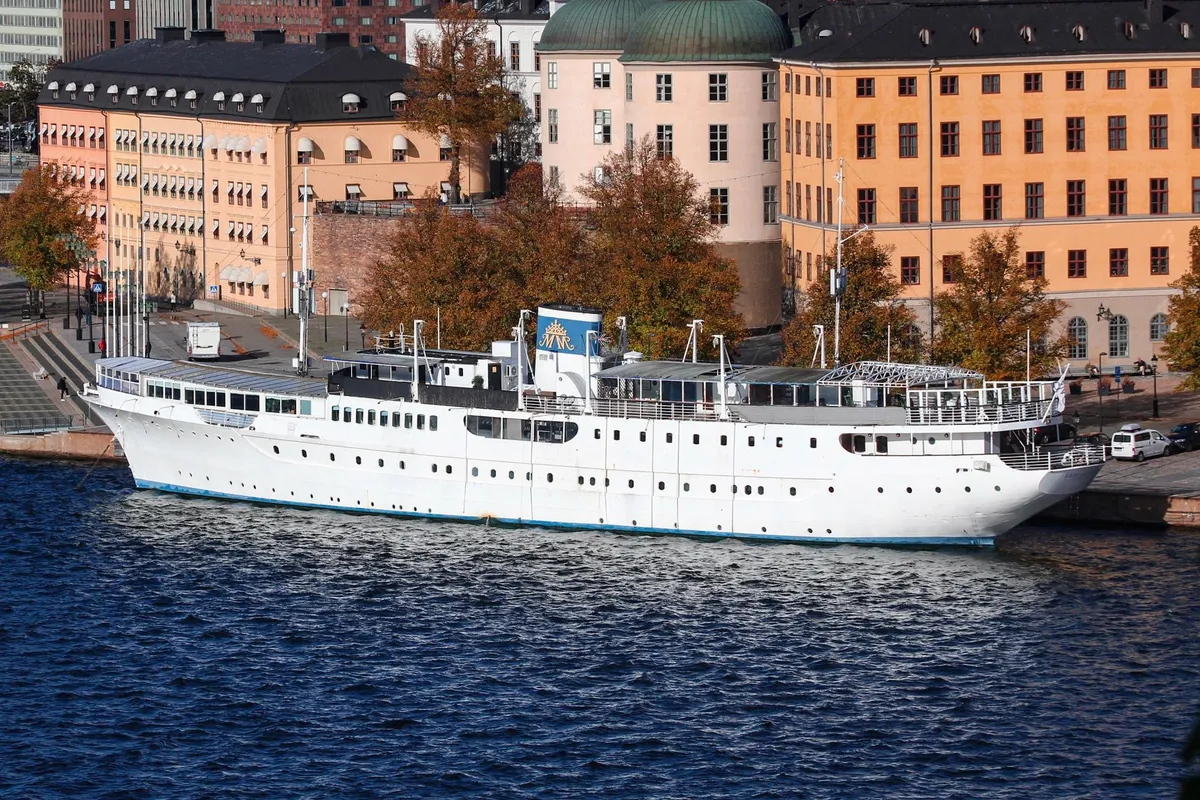
When summer tourist riverboats clear out and ambient air temperatures drop along European and North American waterways, autumn floating hotel stays enter their most compelling operating window. While water cools far slower than surrounding city asphalt, early morning riparian mist, high relative humidity (often reaching 85% to 95%), and seasonal river level shifts introduce distinct operational challenges that glossy booking sites never reveal. Over twelve years sleeping aboard converted vessels, I have learned that an autumn mooring requires robust marine heating, protected companionways, and reliable wake insulation rather than aesthetic sun decks.
Choosing a floating cabin during the shoulder season demands looking past discounted room rates to inspect the vessel's hull metallurgy, sub-floor thermal breaks, and quayside environmental hookups. A vessel that feels airy in July can easily turn into an uncomfortably damp, drafty acoustic chamber once autumn winds pick up and steel bulkheads begin pulling warmth straight out of your cabin.
Selection and Comparison Criteria
To evaluate these shoulder-season vessels objectively, I assessed each property across five standard maritime hospitality benchmarks:
- Active Thermal Envelope & Heating Redundancy: The physical capability to maintain a sustained cabin temperature of 20–22°C against river mist, glazing drafts, and hull cold bridging across steel plates versus concrete pontoons.
- Mooring Hydrodynamics & Hull Stability: Hull displacement and structural isolation from seasonal wind squalls, autumn river wake levels, and tidal swings.
- Moisture Mitigation & Bulkhead Aeration: Active mechanical ventilation and insulated portholes designed for marine condensation prevention along exterior-facing walls.
- Quayside Municipal Fees & Operational Schedules: True shoulder-season pricing, including local lodging taxes, mandatory arrival windows, and the continuous operation of onboard amenities like saunas or plunge pools.
- Gangway Engineering & Pier Access: Non-slip gangway safety, articulated pontoon ramps, and physical walking distances to public transit hubs under cold, slick conditions.
Proposed Widget Filter and Sorting Logic
For the upcoming interactive comparison tool on this site, entries are organized by the following specifications:
- Default Sort: Primary Thermal Engineering (Hydronic Underfloor / Seawater Heat Pump > Pellet Stove / Radiator > Convector Core).
- Secondary Sort: Starting Price per Night (Low to High).
- Filter Category: Setting Type (
Urban Mooring,Archipelago / Coastal,Remote Wilderness). - Feature Toggle:
Dedicated Thermal Wellness / Floating Sauna(Yes / No).
The Shoulder Season Mooring Advantage: Why Autumn Elevates Floating Hotel Stays
Thermal Microclimates and Waterfront Foliage Views
Water exhibits high specific heat capacity, meaning rivers, canals, and locked basins retain summer warmth well into the cooler months. As crisp autumn air settles over warmer water, a distinctive river mist microclimate forms each morning, blanketing the hulls in low-lying vapor before burning off under early sun. This dynamic produces dramatic autumn foliage waterfront views, with shoreline canopies reflecting vividly across calm water surfaces.
At dusk, however, riparian corridors undergo swift radiative cooling. While land-based concrete buildings store ambient heat, open water environments drop sharply in temperature once the sun dips below the embankment wall. Stepping into a floating cabin with inadequate thermal barriers can feel jarring if the heating layout cannot compensate for this sudden exterior chill.
Calmer Waters: Reduced Commercial Traffic and Stable Moorings
A primary benefit of fall botel stays is the steep drop in seasonal river traffic. During peak summer months, scheduled sightseeing boats pass every ten to fifteen minutes, generating constant displacement wakes that rock moored hulls and strain gangway hinge pins. By mid-autumn, tourist cruise operators cut their daily schedules drastically.
Commercial freight barges and municipal passenger ferries continue to operate on major waterways like the Seine and the Vltava, so slight rolling motion never drops to absolute zero. Even so, the overall wake turbulence is noticeably dampened, allowing for much calmer river moorings and uninterrupted sleep. For those sensitive to motion, enclosed dock basins like Leith in Scotland eliminate current-driven movement altogether.
If you wake easily from water slap against the hull, request a cabin on the quay-facing side of the vessel rather than the channel-facing side where passing industrial traffic sends small displacement waves directly into the waterline plates.
How I Compared: Testing Waterfront Cabins for Cold-Weather Maritime Comfort
Hull Cold Bridging, Glazing Drafts, and Thermal Isolation
Sleeping on the water during shoulder season floating hotels visits requires understanding naval thermal dynamics. Structural steel has a high thermal conductivity (approximately 45 to 50 W/(m·K)), functioning as a direct thermal bridge that draws interior heat outward into cold river water. In contrast, heavy hydro-technical concrete pontoons (roughly 1.2 to 1.7 W/(m·K)) offer far greater thermal resistance.
When assessing heated boat hotel cabins, I check the interior perimeter where the floor structure meets the outer hull. Poorly insulated conversions leave an air gap that funnels cold drafts under the bed frame. I also test porthole draft insulation by checking rubber gasket compression on brass or steel deadlights, ensuring early autumn humidity does not pool into stagnant condensation along cabin baseboards.
Gangway Safety, Marine HVAC Reserves, and Environmental Compliance
Cold-weather inspections must also extend beyond the cabin door to quayside utility connections. As outside temperatures drop, electric shore-power cables face peak loads from simultaneous cabin heating, galley water heaters, and ventilation blowers. I look for dedicated, weather-sealed utility towers rather than daisy-chained extension cables running along open pontoon docks.
Environmental compliance is equally critical. In sensitive waters, hotels cannot discharge wastewater directly into the surrounding basin. In Sweden, for example, the Transportstyrelsen regulation TSFS 2012:13 strictly prohibits blackwater discharges from recreational craft into territorial waters, requiring sealed closed-loop marine waste tanks or direct quayside sewer plumbing. Greywater remains exempt from this specific ban, but responsible operators connect both lines to municipal shore treatment systems.
Comparative Matrix: Core Specifications of Autumn Floating Accommodations
Floating Hotel Specification and Shoulder Season Pricing Table
The table below summarizes key operational metrics, starting prices, heating types, and core trade-offs for eight verified floating accommodations across Europe and North America.
| Property Name | City / Location | Vessel & Mooring Type | Autumn Price From | Key Advantage | Key Drawback |
|---|---|---|---|---|---|
| Fingal | Edinburgh, UK | Converted Lighthouse Tender in Locked Basin | £264 / night | Hydronic underfloor heating; zero wake in sheltered deep dock basin | 15–20 min tram ride to Old Town; high shoulder-season luxury pricing |
| Arctic Bath | Harads, Sweden | Floating Architectural Cabins on Lule River | 5,995 SEK / night | Integrated pellet stove plus floor heating; private timber deck | Freezes into solid ice by mid-Nov; pets banned in floating units |
| Hotel CPH Living | Copenhagen, Denmark | Converted Flat-Bottom Cargo Barge | ~1,400 DKK / night | Underfloor heating via seawater heat pump; panoramic canal glass | Dynamic rates unlisted on official site; compact wet-room bathrooms |
| OFF Paris Seine | Paris, France | Custom Stationary Catamaran on River Seine | €150 / night | Main deck plunge pool heated to 28°C; direct rail hub access | High municipal tourist tax (€8.45/night); occasional barge wakes |
| Botel Albatros | Prague, Czech Republic | Moored Historic Passenger Botel on Vltava | €56 / night | 2026 Art Deco refit; 14 m² standard cabins; central riverfront berth | 50 CZK/night municipal fee at check-in; basic entry soundproofing |
| Salt & Sill | Klädesholmen, Sweden | Moored Pontoon Hotel in Outer Archipelago | 1,800 SEK / night | S/S Silla two-story floating sauna catamaran moored on site | Exposed archipelago mooring subject to heavy autumn North Sea gales |
| Barken Viking | Gothenburg, Sweden | 1906 Four-Masted Steel Barque at Lilla Bommen | ~889 SEK / night | Historic tall ship heritage; radiator-heated wood-lined cabins | Hull curvature restricts lower bunks; steep internal companionways |
| Nimmo Bay Wilderness Resort | Port McNeill, BC, Canada | Remote Floating Pontoon Lodge in Fjord Basin | $10,199 CAD / 3 nights | Autumn grizzly & whale viewing; outdoor cedar hot tubs by waterfall | Closes late October; premium package pricing; fixed arrival days |
Data Observations: Where Values Align and Diverge Across Regions
Shoulder-season pricing reveals a clear divide between high-density urban floating hotels and remote wilderness retreats. Converted urban barges and botels like Botel Albatros in Prague (€56 per night) and OFF Paris Seine (€150 per night) offer substantial savings over land-based boutique hotels in the same central districts. However, mandatory waterfront municipal surcharges can add an unexpected cost upon arrival.
At the top end, wilderness and wellness resorts decouple entirely from standard hotel pricing. Staying at Nimmo Bay ($10,199 CAD for a mandatory 3-night all-inclusive stay, averaging roughly $3,400 CAD per guest per night) or Arctic Bath (5,995 SEK per night, or 24,280 SEK per person for their 3-night autumn retreat) reflects the immense operational cost of maintaining off-grid marine engineering, guided marine wildlife excursions, and specialized cold-weather heating systems in sub-Arctic or tidal fjord wilderness.
Detailed Profiles: Tested Floating Hotels for Autumn Mooring
Urban Waterfront Icons: Leith, Paris, Copenhagen, Prague, and Gothenburg
Berthed in Alexandra Dock, Fingal represents an exceptional standard in marine conversion. Classic Cabins start from £264 per night, while the 53.5-square-metre Skerryvore penthouse suite begins at £880 per night. Both feature hydronic underfloor heating laid beneath timber decking, completely preventing hull cold bridging. Because the vessel sits inside a locked, non-tidal harbor dock, water movement is virtually nonexistent. Getting to Edinburgh's city center is simple via the Edinburgh Tram extension, with the Port of Leith stop situated two minutes on foot from the gangway.
In central Paris, OFF Paris Seine offers entry-level inland-facing cabins from €150 per night at its Quai d'Austerlitz mooring. Its primary autumn feature is a 28°C heated outdoor deck plunge pool, shielded by a protective seasonal canopy to keep swimmers comfortable against chilly Seine winds. When calculating your budget, account for the mandatory 2026 Parisian 4-star tourist tax of €8.45 per adult per night, detailed on the official Service-Public.fr tourist tax portal.
Moored at Langebrogade in Christianshavn, Hotel CPH Living provides floor-to-ceiling glass looking straight out over the harbor canal. Entry rates hover around 1,400 DKK per night for a compact 23 m² cabin. Warmth is supplied by an integrated underfloor system running off a seawater heat pump, though travelers should confirm current operational specs directly with reception prior to booking, as technical manuals and fixed rates are not published on the primary landing page.
In Prague, Botel Albatros reopened on September 3, 2026, following a thorough refit that converted its 90 cabins (84 standard, 3 deluxe, and 3 family) into 1930s ocean liner Art Deco quarters. Entry rates start at just €56 per night. Standard cabins measure 14 m², which is relatively spacious for a heritage river botel. You will need to pay the official 50 CZK per night municipal accommodation fee at the desk, as mandated by the Prague City Hall accommodation fee regulations.
At Gothenburg's Lilla Bommen quayside, the authentic 1906 four-masted tall ship Barken Viking offers heated berths starting around 889 SEK per night. The original timber paneling and central hot-water radiator system keep the interior cozy, though the curvature of the historic steel hull restricts bunk widths in budget cabins, and steep interior stairways require careful footing.
Nordic Archipelago Retreats: Harads and Klädesholmen
Up in Swedish Lapland, Arctic Bath operates six 24 m² floating Water Cabins starting from 5,995 SEK per night. Each unit is fitted with hydronic underfloor heating, an integrated pellet stove, and a 57.5 m² private exterior deck. These cabins float freely on the Lule River through autumn before freezing securely into thick river ice from mid-November to mid-April. Note that while land cabins accept pets for a 500 SEK fee, animals are strictly barred from the floating water units. Their comprehensive Fire & Ice Retreat package runs 24,280 SEK per person for a three-night stay.
On the rocky western coast, Salt & Sill sits anchored on concrete pontoon blocks at Klädesholmen, with shoulder-season autumn rates starting from 1,800 SEK to 2,000 SEK per night. The standout cold-weather amenity is the S/S Silla, a dedicated two-story floating sauna catamaran moored alongside. Shared 90-minute sauna sessions cost 195 SEK per person (private charters run 3,125 SEK), allowing guests to alternate between wood-heated benches and a cold-water plunge directly into the Skagerrak.
High-Latitude Wilderness Outposts: MacKenzie Sound
Tucked deep into British Columbia's Great Bear Rainforest, Nimmo Bay Wilderness Resort concludes its season in late October following its dedicated autumn 'Wild Month', which focuses on migrating humpback whales and grizzly bear foraging along coastal rivers. The 2026 all-inclusive package costs $10,199 CAD per guest for a fixed three-night stay (based on double occupancy, with departures strictly on Mondays or Thursdays).
The floating main lodge features two outdoor red cedar hot tubs fed by a natural waterfall and heated to 40°C, alongside an anchored wood-fired floating sauna. Because the complex is anchored in a sheltered tidal fjord, guests experience the dramatic rhythm of Pacific tides while remaining protected from heavy ocean swell.
Marine Engineering in Cool Weather: Insulation, Heating, and Waste Systems
Radiant Sub-Floors, Seawater Loops, and Solid-Fuel Stoves
The most effective method for warming floating cabins is hydronic underfloor heating. By circulating a heated water-glycol mixture through continuous tubing installed over acoustic and thermal insulation boards, heat radiates upward evenly across the cabin floor. This completely counteracts the chill created by water contacting the lower hull. Fingal and Arctic Bath utilize variations of this setup, maintaining steady warmth without the dry, dusty air circulated by standard forced-air convector blowers.
Seawater and riverwater heat pumps represent another elegant engineering solution, seen in modern installations like Hotel CPH Living. These closed-loop heat exchangers extract calories from surrounding 8°C to 12°C harbor water, concentrating thermal energy to heat interior spaces efficiently. In high-latitude timber structures like Arctic Bath, automated pellet stoves deliver supplemental dry radiant heat, keeping ambient indoor moisture low even when river humidity peaks outside.
Moisture Control, Thermal Bridging, and Marine Plumbing Etiquette
Marine condensation prevention is an essential engineering consideration during autumn. When humid interior air touches cold single-glazed brass portholes or structural steel frames, water drops form rapidly, trickling behind interior wall linings if untreated. High-end conversions install thermal breaks between the inner timber bulkheads and the exterior hull plating, supplemented by continuous low-velocity mechanical extraction in bathrooms.
Never flush paper towels, sanitary items, or wet wipes down a botel toilet. Most floating hotels rely on sensitive marine macerator pumps or vacuum lift stations; a single blockage can shut down plumbing across an entire deck section and flood lower berths.
Plumbing aboard floating accommodations requires guest cooperation regarding macerator pump etiquette. Converted vessels frequently run below-waterline blackwater lines that feed into pressurized central holding tanks. These pumps grind and transfer waste upward into the municipal quayside sewer. To maintain proper operation and avoid system jams, botels enforce strict plumbing rules that guests must follow.
Cold-Weather Boating Logistics: Gangways, Mooring Ropes, and Quayside Costs
Gangway Dynamics, Pier Frost, and Floating Mooring Movement
A floating hotel moves continuously with changing water levels, wind shifts, and tidal cycles. The gangway acts as the sole physical link to the mainland, engineered with rollers and hinge pins to slide across the pier face. During late autumn, morning dew, falling river mist, and sub-zero night air create invisible frost layers on diamond-tread aluminum walkways, making non-slip gangway safety a serious consideration.
Mooring lines also react to cold weather. Heavy nylon and polyester lines shrink and tighten when exposed to freezing rain and dropped temperatures, causing the hull to squeak against rubber dock fenders. Experienced floating hotels employ weighted counter-tension systems or shock-absorbing spring compensators to keep the boat firmly berthed without waking guests on wind-buffeted autumn nights.
Quayside Municipal Surcharges and Shoulder Season Operational Reductions
Before reserving your stay, pay close attention to mandatory local surcharges. Floating structures are subject to city-specific lodging fees: the Prague accommodation levy adds 50 CZK per adult per night, while the Paris tourist tax requires €8.45 per adult nightly for 4-star floating hotels.
You should also verify which outdoor amenities remain operational. Open-air rooftop sun decks often close for winter storage by mid-autumn, and exterior lounge service may be suspended. Fortunately, properties like OFF Paris Seine install heavy weather enclosures around their deck pool, and remote resorts like Nimmo Bay operate full sauna facilities right up to their late-October seasonal shutdown.
The Verdict: Selecting the Best Autumn Floating Stay by Traveler Profile
Prime Choices for Luxury Couples, Wellness Purists, and Design Admirers
- Couples Seeking Uncompromised Luxury: Fingal in Leith offers the most refined floating experience in the UK. The hydronic underfloor heating, Art Deco nautical detailing, and totally motionless locked dock basin make it ideal for romantic autumn breaks without any motion sickness risk.
- Cold-Plunge Wellness Enthusiasts: Arctic Bath in Harads provides the ultimate Nordic contrast therapy. Relax beside the pellet stove in your floating Water Cabin, warm up inside the central circular sauna, and plunge directly into the crisp waters of the Lule River before the winter freeze sets in.
- Coastal Archipelago Travelers: Salt & Sill on Klädesholmen combines serene Scandinavian interior aesthetics with the exceptional S/S Silla two-story sauna catamaran, berthed right on the edge of the Bohuslän archipelago.
Prime Choices for Historic Enthusiasts, Budget Urbanists, and True Wilderness Explorers
- Independent Budget Travelers: Botel Albatros in Prague delivers unbeatable value with entry-level cabins starting from €56 per night. Its 2026 Art Deco cabin redesign elevates comfort, placing you steps from Old Town while waking up directly on the river.
- Naval Heritage Purists: Barken Viking in Gothenburg provides an authentic overnight stay aboard a preserved 1906 tall ship. The historic timber-lined quarters are fully heated, offering a genuine glimpse into maritime heritage.
- High-End Wilderness Naturalists: Nimmo Bay Wilderness Resort in British Columbia offers remote floating luxury during its October 'Wild Month'. If your budget accommodates the $10,199 CAD three-night rate, the access to coastal grizzly bears, migrating whales, and floating cedar hot tubs is unmatched.