
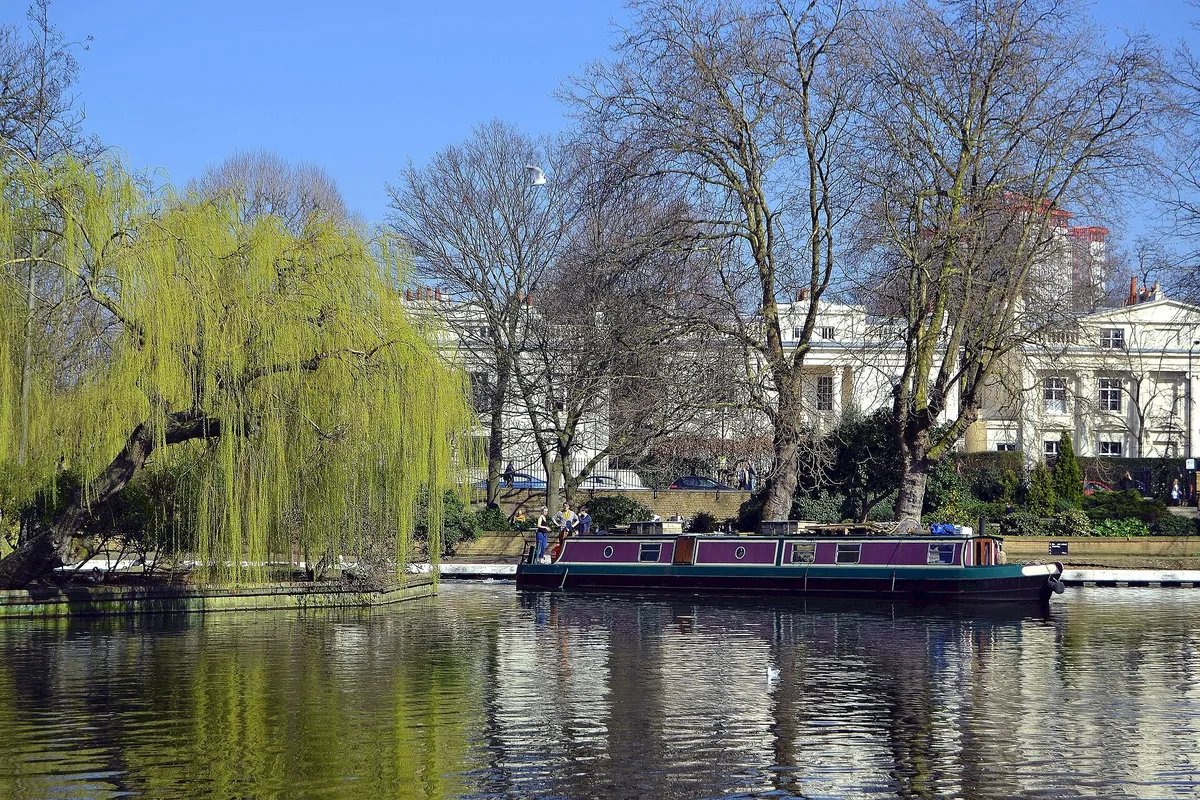
Municipal enforcement across European and North American waterways has reshaped the reality of booking moored vessels in 2026. In the Netherlands, an increase in the national lodging VAT to 21% combined with Amsterdam's 12.5% tourist tax pushes the total tax burden on short-term rentals to roughly 33.5%, while unlicensed vessels face sudden administrative closures. In the United Kingdom and the United States, strict zoning codes and commercial safety schemes penalize hosts who operate without statutory approvals, occasionally stranding arriving guests on the dock.
A moored vessel offers an immediate connection to water-level urban life for travelers who can manage steep steps, sensitive marine plumbing, and modest electrical budgets. Conversely, travelers who require continuous level thresholds, high-wattage hair styling tools, or silent ground floors will find land-based boutique rooms far more forgiving. This houseboat hotel guide provides the structural specifications, utility realities, and regulatory checklists you need before placing a non-refundable deposit.
Static Houseboat Rentals: Vessel Architecture and Mooring Types
Traditional Hulls vs. Purpose-Built Floating Structures
Static water accommodation generally falls into three vessel types: converted working craft, purpose-built floating arks, and vernacular timber boats. Converted vessels, such as a traditional Dutch barge conversion or an English narrowboat, feature curved steel hulls, low ceilings, and narrow side decks. Living space inside a steel conversion is shaped by the vessel's original cargo hold, resulting in cambered cabin ceilings that reduce vertical clearance near the bulkheads to less than 1.9 meters.
By contrast, an ark houseboat—known locally as a woonark in the Netherlands—sits on a heavy submerged concrete pontoon supporting a timber-framed superstructure. These floating structures provide square rooms, vertical interior walls, and standard residential ceiling heights exceeding 2.2 meters. In South Asia, a traditional wooden kettuvallam on the Kerala backwaters relies on anjili wood planks bound with coir ropes and arched canopies woven from bamboo and palm thatch, producing a flexible, naturally ventilated interior.
During a stay on an iron-hulled Dutch barge along the Prinsengracht, I noticed the usable deck width measured barely 40 centimeters between the cabin trunk and the gunwale, requiring a sideways shuffle along the mooring lines. The structural profile directly determines stability, usable footprint, and overhead space.
| Vessel Archetype | Hull Material | Average Interior Clearance | Hull Motion Profile | Natural Daylight Index |
|---|---|---|---|---|
| Converted Dutch Barge | Riveted iron / welded steel | 1.85 m – 2.05 m | Moderate lateral roll in wake | Low (small brass portholes) |
| Purpose-Built Ark (Woonark) | Reinforced concrete box | 2.20 m – 2.50 m | Minimal dampening displacement | High (picture windows) |
| English Narrowboat | Welded steel plate | 1.90 m – 1.98 m | Noticeable roll under foot traffic | Low to moderate |
| Kettuvallam | Anjili timber & coir ropes | 2.00 m – 2.30 m | Soft pitch in open lake chop | High (open-sided saloons) |
Waterfront Mooring Infrastructure and Berth Types
The livability of static houseboat rentals depends heavily on mooring infrastructure. Off-line marina basins provide the most sheltered berths, shielding boats from river current and channel wash behind gated access points. Linear moorings along public canal towpaths place guests directly in the urban fabric, but pass-through pedestrian foot traffic can compromise cabin privacy unless you keep curtains drawn at window height.
Tidal river pontoons represent the most logistically demanding berths. Pontoons rise and fall along vertical guide piles, while fixed riverside quays require mooring lines with adequate slack to accommodate vertical water movement. Berths connected directly to municipal sewage lines eliminate foul odors, whereas berths relying on blackwater pump-out services depend on periodic waste collection schedules.
When searching for vessels, specialized booking portals like Bookahouseboat provide filters for technical infrastructure, such as connection type and holding tank capacity. Mainstream platforms such as Airbnb feature a dedicated houseboat filter, though listings often omit whether the berth is in a secure gated basin or tied to a public towpath with night-time pedestrian traffic.
Municipal Zoning and Minimum Stay Regulations
Moored boats occupy an ambiguous boundary between maritime navigation channels and terrestrial real estate. Municipalities increasingly enforce rigorous zoning laws to prevent floating homes from displacing residential housing stock. In Washington State, the Seattle Department of Construction and Inspections floating residences code under SMC 23.60A explicitly bans rentals under 30 consecutive days for floating homes and house barges.
Short-term rentals under 30 days in Seattle are restricted to commercial marina slips holding specific hospitality permits, making sub-30-day floating home listings on vacation platforms unlawful. Travelers booking nightly stays on Lake Union or Portage Bay face sudden listing cancellations when city code compliance officers issue notices of violation to marina operators.
Check the minimum stay duration for the destination before booking. In cities enforcing strict shoreline residential protections, listings advertising three- or four-night stays on floating homes often operate without permits and risk immediate municipal eviction.
Houseboat Hotel Guide: Mooring Licences, Regulations, and Safety Standards
Inland Waterway Licensing and Verification in the UK
In England and Wales, stationary boat rentals along inland navigation channels must meet statutory hospitality criteria managed by the navigation authority. Under the Canal & River Trust static letting rules, any boat rented to the public as short-stay accommodation must hold a valid Static Letting licence, which must be clearly displayed in a vessel window facing outward.
To obtain this licence, the vessel operator must hold four mandatory credentials: a formal permanent home mooring agreement, commercial public liability insurance, an annual Landlord Gas Safety Certificate, and a Non-Private Boat Safety Scheme certificate. Standard private leisure boat licences do not allow short-term holiday letting or peer-to-peer subletting.
On a London canal boat stay at Little Venice, I checked the window decal and read the CRT registration index number directly against the vessel's paperwork before carrying my bags down the hatch. Renters can verify the commercial legitimacy of any stationary rental by calling the Canal & River Trust customer support line at 0303 040 4040 with the boat name and registration index.
Municipal Quotas, Permits, and Host Fines in Amsterdam
Amsterdam enforces some of the world's strictest urban short-term rental limits on water residences. Under the City of Amsterdam holiday rental regulations, primary residents may let out their houseboat for no more than 30 nights per calendar year, a threshold lowered to 15 nights in specific historic central quarters, with a cap of four guests at any one time.
The municipality enforces two distinct penalty tiers for non-compliance. Failing to report an individual rental stay to the city registry in advance under the mandatory reporting rule (meldplicht), or failing to display a valid 16-digit municipal registration number on booking listings, carries an administrative fine of €8,700. Operating an unlicensed holiday rental by taking residential floating property out of the permanent housing supply (woningonttrekking) can incur administrative fines up to €21,750, subject to court-ordered proportionality reviews based on intent.
When browsing Dutch canal listings, you should confirm that the 16-digit municipal permit number appears in the listing description. A host who asks to communicate off-platform or claims the permit is pending may be operating beyond their 30-night quota, leaving your booking vulnerable to immediate cancellation by municipal inspectors.
Fire, Gas, and Carbon Monoxide Safety Compliance
Confined boat cabins present distinct fire and toxic gas risks because heavy gases like propane settle in low bilges rather than venting out windows. Under BSS Non-Private Craft standards, commercial static rentals must provide certified detection devices. Carbon monoxide alarms must comply with BS EN 50291-2, the specific standard for marine and recreational craft, and must be installed in every compartment containing a fuel-burning appliance.
Galley areas require a fire blanket meeting BS EN 1869 or BS 6575 standards alongside certified BS EN 3 portable fire extinguishers. If a vessel features a solid-fuel stove, the installation must adhere to the Boat Safety Scheme solid fuel stove requirements aligned with BS 8511:2010, which governs insulated hearth clearances and insulated twin-wall flues.
Locate the secondary escape route immediately after boarding. Commercial letting regulations require two separate exit routes from sleeping quarters, typically the main companionway steps and a forward escape deck hatch measuring at least 0.2 square meters with a minimum opening dimension of 380 millimeters.
Vessel Utilities: Shore Power, Marine Plumbing, and Climate Control
Shore Power Limitations and Appliance Management
Moored houseboats rely on a shore power connection linked from a dockside utility pedestal to the boat's consumer unit. On European waterways, this supply is almost universally single-phase 230-volt power limited to a 16-amp breaker, which caps total instantaneous power draw at roughly 3,680 watts. If you exceed this ceiling, the pedestal breaker trips immediately.
Managing power on board requires staggering high-wattage resistive appliances. A standard electric kettle draws 2,000 watts, a travel hair dryer draws 1,800 watts, and an auxiliary space heater consumes 1,500 watts. Running the kettle and hair dryer simultaneously pulls 3,800 watts, surpassing the 16-amp limit and cutting power to the entire boat.
On many private berths and marinas, dockside pedestals are kept locked, with keys held exclusively by the harbor master. If you trip the shore breaker late in the evening when marina staff are off duty, you may face a night without heating, refrigeration, or lighting. Ask your host during check-in where the breaker reset switch is located and whether it requires a key.
Marine Waste Systems, Saniflo Pumps, and Deposit Risks
Houseboat bathrooms do not operate like domestic gravity-fed toilets. Because the cabin sits below the waterline or dock drainage grade, waste must be mechanically pulverized and pumped upward through small-bore plastic discharge pipes measuring between 22 and 32 millimeters. This requires an electric macerator toilet or a dedicated Saniflo pump unit fitted behind the bowl.
Macerator impellers rotate at high speeds and can only process organic human waste and light toilet tissue. Flushing facial wipes, sanitary products, hair, paper towels, or wet wipes will seize the impeller blades. When the blades bind, the electric motor overheats, trips its thermal fuse, or burns out entirely, creating an immediate sewage backflow into the shower basin or bilge.
Because macerator pumps depend entirely on an uninterrupted electrical feed, power outages disable vessel sanitation instantly. During electrical interruptions, the bowl cannot clear its contents. Never flush a marine toilet during a shore power outage or inverter fault.
Sanitary disposal rules on watercraft are absolute. If an emergency marine plumber is called to extract wet wipes or foreign objects from a jammed macerator, hosts routinely deduct £110 to £250+ in the UK or €200 to €500 in continental Europe directly from your security deposit.
Insulation, Thermal Bridging, and Moisture Control
Steel and concrete hulls are prone to thermal bridging. Because water conducts heat away from dense materials far faster than air, the hull metal below the waterline matches the surrounding river or canal temperature. When warm, humid cabin air hits these cold structural frames, moisture condenses on interior bulkheads and berth platforms.
A common issue in cold-weather boat rentals is under-mattress saturation. As body heat warms the top of a mattress resting directly on a cold timber berth deck, moisture accumulates beneath the bedding unless the bunk incorporates a 3D breathable condensation underlay or raised timber slats. While boater lore suggests condensation accelerates when water drops below roughly 8°C, physics dictates that the dew point is dynamic, developing whenever surface temperatures drop below the saturation point of the cabin air.
During an autumn stay on a steel vessel in the Netherlands, I noticed visible water droplets pooling along the bottom edge of the hull lining where the foam mattress contacted the uninsulated steel coaming. Quality boat conversions rely on forced-air diesel heating systems like a Webasto diesel heater or hydronic radiator loops, coupled with continuous passive cowl vents to expel moisture.
Logistics of a Moored Houseboat Stay: Tides, Movement, and Water Management
Tidal Ranges, Gangway Inclines, and Boarding Safety
Moorings on non-tidal canals maintain stable dock levels year-round, but tidal rivers introduce substantial vertical displacement. According to the Port of London Authority living afloat guidance, the tidal Thames experiences a semi-diurnal tidal range of up to 7 meters between low and high water springs, forcing pontoons and vessels through deep vertical cycles twice every day.
To bridge the gap between fixed riverbank walls and floating pontoons, moorings use long articulated gangways mounted on rolling wheel plates. At peak high water, the gangway rests nearly flat. At extreme low spring tide, the same gangway inclines downward at steep angles that can reach up to 40 degrees, turning boarding ramps into slick, challenging chutes.
If you have limited mobility or travel with heavy wheeled suitcases, consult river tide tables before setting your arrival time. Attempting to maneuver heavy luggage down a wet aluminum gangway at maximum downward tilt during low tide is a serious falling hazard.
Wake Wash, River Traffic, and Stabilizing the Cabin
Even on stationary vessels, water is rarely completely still. Commercial river traffic, passenger catamarans, police launches, and heavy cargo barges generate displacement wakes that roll through moored berths. Unlike purpose-built floating botels—which you can explore in our guide to European urban botels—narrow steel hulls rock laterally when hit by river wash.
Wake wash sets off distinctive dynamic forces inside the vessel. Low, rhythmic rolling sounds through the hull, accompanied by the squeak of synthetic mooring lines rubbing against fairleads and dock cleats. Galley tables on traditional boats feature raised perimeter lips, known as fiddles, designed to keep plates and mugs from sliding off when a wake rolls through.
At high tide in Wandsworth on the tidal Thames, I watched my unshielded laptop slide several inches across a polished galley table when a twin-screw tug pushed a loaded gravel barge downstream. Keep drinkware, phones, and computers away from tabletop edges, and never leave open wine glasses unchocked on flat surfaces.
Freshwater Autonomy and Bilge System Monitoring
Plumbing logistics vary depending on whether the vessel has an uninterrupted dockside water connection or an onboard freshwater holding tank. Tanks on converted narrowboats and barges range from 300 to 600 liters. If your vessel draws from a holding tank, long showers can exhaust the water reserves, requiring the host to connect a dock hose to refill the tank.
You can identify water delivery systems by their mechanics. Tank-dependent boats use a 12-volt pressure-demand water pump. Under normal operation, the pump runs only while a faucet is open. If you hear the pump cycle intermittently for two or three seconds when all faucets are closed, water is leaking past a pipe joint, the accumulator tank bladder has lost pressure, or the hot water cylinder pressure-relief valve is weeping into the bilge.
Vessels feature automatic bilge pumps linked to an internal float switch designed to expel incidental condensation or hull moisture. Maintaining this system is the owner's maintenance responsibility, but guests should listen for continuous pump run times or audible bilge alarm buzzers, which signal unexpected water ingress into the lower hull compartments.
Financial Breakdown: Nightly Rates, Taxes, and Damage Deposits
Global Nightly Pricing Benchmarks Across Primary Waterways
Pricing for static houseboat rentals reflects local waterway maintenance overheads, berth mooring fees, and municipal operating expenses. Converted steel barges and floating arks in high-demand European and Asian destinations fluctuate sharply between seasonal shoulder periods and peak holiday weekends.
The table below summarizes standard nightly pricing ranges, operational inclusions, and common berth configurations across primary waterway hubs for 2026 stays.
| Mooring Destination | Vessel Architecture | Typical Nightly Rate | Included Utilities | Berth Setting |
|---|---|---|---|---|
| Amsterdam, Netherlands | Concrete Ark / Converted Barge | €180 – €450 (Peak: €600+) | Mains power, Wi-Fi, city water | Canal wall / off-line basin |
| London, United Kingdom | Steel Narrowboat / Dutch Barge | £150 – £350 | Shore power, tanked water | Canal towpath / marina pontoon |
| Alleppey, India | Traditional Wood Kettuvallam | ₹9,500 – ₹25,000+ | Full board meals, diesel generator | Lake mooring / riverbank piling |
| Prague, Czech Republic | Moored Wooden/Steel Botel | €90 – €220 | Mains grid, central heating | Fixed river pontoon |
Stationary kettuvallams in Alleppey operate on distinct commercial terms: rates generally include full-board catering prepared on board by a private cook, though air conditioning is frequently restricted by timer to overnight hours between 21:00 and 06:00 when generator noise is permitted at designated night moorings.
City Lodging Taxes and Municipal Surcharges
City lodging taxes for floating accommodations can match or exceed standard land-based hotel surcharges. In Amsterdam, the local municipal tourist tax is set at 12.5% of the net accommodation tariff. This local assessment ranks as the highest municipal visitor levy in the European Union, applying equally to brick-and-mortar hotels, converted barges, and floating homes.
Compounding this local surcharge, national tax legislation raised the Netherlands VAT rate on short-stay lodging from 9% to 21% starting in 2026. Combining the 21% lodging VAT with the 12.5% municipal tourist tax results in a cumulative tax load of roughly 33.5% on an Amsterdam houseboat stay. On an itemized booking bill in the Jordaan, I saw local taxes and municipal levies add more than €80 to a two-night reservation.
When budgeting an urban houseboat vacation, check whether the booking portal quotes rates inclusive of both national sales tax and municipal tourist levies. Many platforms collect the base rental fee during booking but require the 12.5% municipal tourist surcharge to be paid in cash or via a separate payment link upon arrival.
Deposit Retention Risks: Plumbing, Waste, and Breakages
Security deposit authorizations for static boats are higher than standard hotel deposits, ranging from £250 to £800 in the UK and €300 to €1,000 across Europe. These holds reflect the cost of specialized marine trade services, where callout rates far exceed terrestrial domestic repairs.
The most common cause of full deposit forfeiture is macerator pump blockages caused by non-flushable waste. While clearing a standard domestic blockage costs modest sums, extracting a seized macerator unit from a cramped boat compartment incurs emergency plumber rates ranging from £110 to £250+ in the UK, with full unit replacements running between £500 and £800.
Shore power cables represent another common deposit deduction. Heavy 16-amp marine cables dropped into saltwater, pinched between the hull and pontoon rub-rails, or scorched by running high loads with loose pin contacts cost between £150 and £350 to replace. To safeguard your deposit, record a short continuous video during check-in documenting the shore cable condition, an operational toilet flush, and a quiet bilge pump compartment.
Renting a Houseboat Hotel: Decision Framework, Alternatives, and Verdict
Limitations and Accessibility: Who Should Avoid Static Boat Stays?
Static boat stays present structural hurdles that make them unsuitable for certain travelers. Access companionways on converted barges require descending near-vertical stairs or steep timber ladders tilted at 60 to 70 degrees. Door coamings have raised lips designed to prevent deck runoff from entering the cabin, creating persistent tripping hazards throughout the living quarters.
Doorways on narrow-beam hulls measure less than 60 centimeters across, preventing wheelchair access and restricting guests with mobility impairments. Unsupervised stays with young children present clear risks along open gunwales and low-profile decks lacking safety railings. Travelers with acute motion sensitivities may experience discomfort from passing boat wash, while individuals who rely on continuous positive airway pressure (CPAP) machines face risks from dockside power cuts.
If you rely on continuous medical electrical equipment, step-free access, or wide corridors, static houseboats are ill-suited to your needs. A terrestrial hotel room or an engineered floating resort provides safer utility reliability.
Alternative Waterfront Lodging: Botels vs. Land-Based Accommodations
If you want waterside accommodations without the operational responsibilities of a private houseboat, consider floating hotels (botels) or dockside apartments. For a broader look at specialized pontoons and water villas, consult our guide to luxury floating resorts, or read our review of river hotels and moored cruise ships for larger passenger vessels.
Commercial botels, such as Good Hotel London in the Royal Docks, operate on deep-water commercial pontoons with commercial three-phase electrical connections and direct gravity connections to municipal sewers. Guests in commercial botels enjoy 24-hour reception desks, accessible elevators, and standard domestic plumbing that eliminates macerator anxieties. In exchange, botel guests give up the private roof decks, wood-burning stoves, and neighborhood canal locations characteristic of residential houseboats.
Waterfront land apartments provide steady foundations, solid thermal insulation, and silent nights free from creaking mooring lines. However, they lack the immediate proximity to waterfowl, the view along the canal surface, and the distinct timber-and-brass nautical craftsmanship that draw travelers to live aboard.
Final Assessment: Houseboat Vacation Tips and Booking Checklist
Renting a static houseboat hotel provides an authentic, water-level perspective on historic canal cities, provided you approach the stay with practical awareness rather than romantic assumptions. You are renting a functional marine vessel, not an insulated concrete hotel box. Follow this five-point operational verification checklist before paying your reservation balance:
- Licence and Permit Validation: Confirm the listing displays the mandatory 16-digit registration permit in Amsterdam, or ask the host for the Canal & River Trust Static Letting licence index number in the UK to verify lawful commercial letting status.
- Safety Fixture Inspection: Verify the presence of a BS EN 50291-2 certified marine carbon monoxide alarm, a galley fire blanket, functional smoke alarms, and an unobstructed secondary egress hatch in the sleeping cabin.
- Electrical Capacity Review: Confirm the amperage cap on the shore power connection (standard 16-amp limit) and check whether you have direct access to the breaker reset switch on the dock pedestal.
- Plumbing Protocol: Check whether the waste system uses a holding tank or an electric macerator discharge, review host deposit deduction policies for plumbing stoppages, and note the nearest trash bins for sanitary disposal.
- Tidal and Gangway Assessment: For tidal river berths, review local tide tables to evaluate gangway steepness at low tide relative to your luggage weight and mobility needs.