
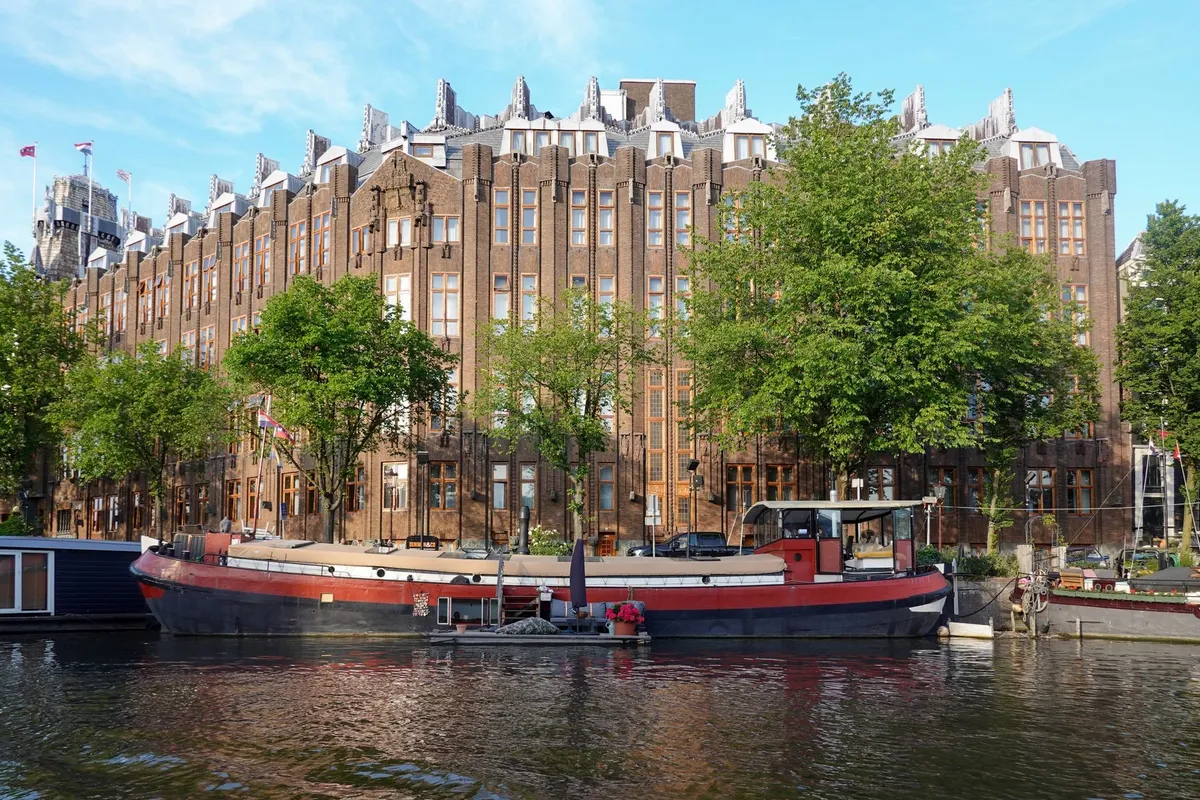
Municipal tax hikes and marina regulatory updates across waterfront jurisdictions in 2026 have substantially widened the gap between advertised online rates and the final ledger. In key European waterways, combined lodging value-added taxes and local tourist levies now add more than 30% to base rates, while inland waterway authorities and recreational lakes have raised mandatory dockage, pump-out, and environmental surcharges. Overlooking these mandatory check-in charges before stepping onto a pontoon leaves travelers facing unexpected card holds, non-negotiable cash dock fees, and disputes over vessel return condition.
Static botels and converted barges suit travelers seeking direct urban waterfront locations with predictable municipal tax brackets, provided they can handle gangway logistics and luggage portage. Bareboat self-drive cruisers and recreational lake charters cater to experienced groups willing to absorb variable fuel burn, pump-out levies, and operational damage deposit liabilities. Knowing how each vessel type accrues surcharges prevents unexpected bills when settling the ledger with harbor masters and charter operators.
The Hidden Fee Anatomy: Why Houseboat Bookings Differ from Land Hotels
Platform Checkout Gaps vs. Mandatory On-Site Marine Levies
When booking a room in a standard terrestrial hotel, the digital checkout price almost always consolidates local lodging taxes, sanitation, and room maintenance into a single receipt. In the floating accommodation sector, digital reservation platforms generally lack integration with municipal port authorities, waterways trusts, and private harbor master ledgers. The initial transaction frequently covers only the base hull rental, leaving critical utility and dockage expenses to be settled on the pier.
On specialized rental portals like Bookahouseboat, guests are charged a peer-to-peer service fee ranging from 6% to 15% of the reservation subtotal. While this fee covers digital matchmaking, payment processing, and host platform support, it does not transfer funds to harbor offices. When I checked in at an Oosterdok berth in Amsterdam, the platform receipt was accepted only for the cabin stay; the host immediately produced a separate card terminal to process the mandatory municipal bed levy before handing over the hatch keys.
Platform Invoice vs. Marina Ledger: Your online transaction statement verifies only that the vessel hull is reserved through the platform. Marina utility hookups, municipal stay declarations, and dockage passes are administrative fees managed locally under maritime jurisdiction and will be billed separately at the gangway.
To avoid arrival friction, travelers must recognize how funds are split during a typical booking:
- Digital Platform Checkout: Base vessel rental rate, platform service fee (6%–15%), and base domestic cleaning charge.
- On-Dock Arrivals Desk: Statutory municipal tourist taxes, mandatory waste-management tokens, shore power utility cards, and holding tank pump-out service charges.
- Security Check-in Hold: Damage pre-authorization, fuel consumption deposits, and equipment replacement guarantees processed on physical payment terminals.
Static Floating Suites vs. Cruising Charters: Structural Cost Profiles
Financial exposure depends heavily on whether a vessel is permanently tethered or navigating open waterways. Static floating accommodations—including permanently moored botels, converted Dutch tjalks, and spud-anchored architectural suites—have cost structures that mimic residential utility connections. Their primary surcharges stem from urban bed taxes, commercial graywater discharge fees, and dock access maintenance charges assessed by the mooring basin owner.
In contrast, a self-drive bareboat houseboat charter introduces operational liabilities that expand with engine use, water consumption, and weather conditions. Operating under maritime navigation codes rather than residential lodging laws, these moving vessels incur propulsion fuel burn, generator run-time fees, lock-transit tolls, and variable nightly transient mooring charges at municipal quays. For a deeper breakdown of how hull mechanics and water systems impact onboard living, read our guide to cabin living reality checks.
| Cost Vector | Static Floating Suites & Botels | Self-Drive Cruising Charters |
|---|---|---|
| Municipal Stay Taxes | Fixed nightly percentage or flat fee per guest | Rarely applied; replaced by transient port dues |
| Utility Metering | Typically hardwired into shore mains | Billed per engine/generator operating hour |
| Mooring & Dockage | Bundled into base mooring lease | Variable nightly marina fees (€20–€60 per port) |
| Waste Servicing | Direct municipal sewer or fixed pump-out schedule | Mandatory turn-in pump-out fee ($225 at US lakes) |
Urban Tourism Taxes and City Tax on Boat Hotels Across Europe
The Low Countries and Germany: Amsterdam VAT Changes and Berlin's Raised Rates
European waterway hubs impose high administrative fees on stationary vessel rentals. In Amsterdam, the municipal tourist tax (toeristenbelasting) applies equally to canal houseboats and commercial botels at a rate of 12.5% of the net room rate. This makes it the highest municipal accommodation levy in Europe. Combined with the national legislation that increases Dutch value-added tax on commercial lodging from 9% to 21% in 2026, visitors face an effective statutory tax burden of roughly 33.5% above the base rate.
In Berlin, the financial framework for waterside lodgings along the Spree River is strictly regulated under the municipal Übernachtungssteuer (City Tax). The Berlin Senate increased the lodging tax to 7.5% of the net room rate across all paid accommodations. The previous exemption for business travelers was permanently abolished on April 1, 2024, meaning every guest aboard an urban botel or moored river barge pays the full 7.5% surcharge regardless of travel purpose.
| Destination | Statutory Tax Mechanism | Effective 2026 Rate | Tax on a 3-Night Stay at €300/Night Net |
|---|---|---|---|
| Amsterdam, Netherlands | 12.5% Toeristenbelasting + 21% National Lodging VAT | ~33.5% cumulative burden | €301.50 statutory tax overhead |
| Berlin, Germany | 7.5% Übernachtungssteuer (Business exemption void) | 7.5% of net room rate | €67.50 city lodging tax |
Amsterdam OTA Checkout Warning: Major online travel agencies regularly display Dutch houseboat listings without the 12.5% municipal toeristenbelasting included in the upfront summary. Hosts are legally obligated to collect this balance upon arrival, which can cause unexpected expenses if you have not set aside extra travel funds.
Paris and Prague: Unclassified Péniches, Botels, and Transport Surcharges
In Paris, tax calculations vary depending on whether the vessel is an unclassified residential barge (meublé de tourisme non classé) or an officially graded commercial botel. Under French tax regulations outlined by the Direction de l'information légale et administrative, unclassified short-term rentals carry a 5% base municipal stay tax supplemented by cumulative regional levies. These surcharges include an additional 200% Île-de-France Mobilités transit tax, resulting in an effective tax rate of 16.25% of the nightly cost per occupant, capped at €15.93 per adult per night in 2026.
Conversely, classified 4-star floating hotels and botels moored along the Seine carry a fixed flat taxe de séjour of €8.45 per adult guest per night, inclusive of all regional transport surcharges. Further details on vessel categories can be found in our review of European urban botels and barge hotels. Further east along the Vltava River in Prague, the municipal system is straightforward: guests staying aboard registered river botels pay a flat statutory local stay tax (místní poplatek z pobytu) of 50 CZK (approximately $2.20 USD) per adult guest per night, collected directly at the reception hatch.
Venice Lagoon Logistics: Overnight Lodging Tax vs. Day-Tripper Exemptions
Mooring in the Venetian lagoon requires navigating the municipal day-tripper access fee alongside the standard lodging tax. Visitors sleeping aboard registered floating botels, houseboats, or moored water lodges are legally exempt from the city’s €5 to €10 day-tripper access fee (contributo di accesso). However, this exemption is not granted automatically at the dock; guests must complete an administrative registration process before entering the historic center.
- Access the official municipal portal at cda.ve.it prior to arrival at the Santa Lucia railway terminal or Tronchetto parking pier.
- Input your verified houseboat reservation data, host license identifier, and arrival dates to request an exemption voucher.
- Download the resulting QR code verification pass to your mobile device to show to municipal enforcement officers.
- Pay the municipal overnight tourist tax (imposta di soggiorno) directly to your vessel host or marina desk upon check-in.
Venice Access Fine Risk: Failing to generate the free exemption QR code exposes you to municipal spot-check fines between €50 and €300 at terminal checkpoints, even if you hold a valid, fully paid houseboat reservation in the lagoon.
Static Houseboat Cleaning Fees, Gangway Access, and Marina Sanitation
The Logistical Markup: Narrow Gangways, Linen Handling, and Pump-Out Overheads
Cleaning charges for static canal houseboats often run 40% to 80% higher than those for comparable land-based apartments. These costs are driven by the physical layout of waterfront moorings. Marine cleaning crews cannot pull up curbside; they must hand-carry industrial laundry sacks, vacuum equipment, and supply bins down narrow wooden piers, across flexing steel ramps, and through tight hull companionways that lack elevators.
Observed market rates for static houseboat cleaning in dense canal networks like Amsterdam and Paris generally range from €70 to €250 ($75–$275 USD) per turnover. This variation reflects vessel layout, berth distance from street access, and local commercial garbage policies. Marina operators often require specialized commercial gate tokens or metered keycards for marina trash compactors, costs that hosts factor into end-of-stay cleaning line items.
- Pier Transit Labor: Housekeeping services bill higher hourly rates due to the manual effort of wheeling linens along 100-meter floating docks.
- Waste Compactor Access: Hosts must pay commercial waste-processing permits at private harbor basins to handle guest trash.
- Blackwater System Maintenance: Static vessels without direct municipal sewer connections need periodic pump-out service boat visits, adding an indirect surcharge to the turnover balance.
Marine Plumbing Vulnerabilities: Avoiding Sanibroyeur Penalties
Marine sanitation is the most vulnerable mechanical system aboard any converted barge or botel. Most vessels rely on electric macerator toilets (commonly Sanibroyeur units), which use high-speed rotating blades to grind waste before pumping it through narrow-diameter discharge hoses into holding tanks. Dropping non-organic material into these systems immediately jams the motor shaft, tripping circuit breakers or burning out the pump stator.
Standard charter agreements treat macerator pump failures caused by non-dissolvable items—such as wet wipes, tampons, or heavy facial tissues—as clear tenant negligence. This finding voids any onboard damage waivers you may have purchased. Clearing a choked macerator requires dispatching a specialized marine technician, resulting in call-out labor charges of €150 to over €400 ($165–$440 USD) deducted straight from your security deposit hold.
Sanitation Self-Defense: Use only rapid-dissolving, single-ply marine or RV toilet paper. If the macerator motor changes pitch to a dull, low-frequency hum when flushed, release the flush button immediately and call the marina maintenance desk before the motor overheats and fails completely.
Navigating Charters: Mooring Fees, Shore Utilities, and Bareboat Cruising Dues
French Inland Waterways: Managed Marina Berthing and Metered Utilities
Captaining a self-drive cruiser through French inland waterways like the Canal du Midi involves balancing paid marinas against wild bank moorings. Under Voies Navigables de France (VNF) operating rules, recreational boats can tie up at unserviced public halts (haltes nautiques) and along open canal banks using mooring stakes for up to 24 to 48 hours at no charge. These spots provide quiet overnight stays, but offer no shore power hookups or domestic water replenishment.
Entering a managed municipal or commercial port de plaisance shifts you to a metered fee structure. Nightly dockage rates for standard 10- to 14-meter cruisers run from €20 to €60 ($22–$65 USD) per night, depending on hull length and local amenities. Shore power pedestals and fresh water access are frequently metered through electronic smartcards or mechanical brass tokens, adding an extra €3 to €10 ($3.25–$11 USD) per day to keep your cabin battery bank charged.
| Berthing Category | Nightly Fee Range | Utility Access | Operational Tradeoff |
|---|---|---|---|
| VNF Public Bank / Halte | €0 (Free up to 24–48 hrs) | None; onboard batteries only | Requires careful 12V battery and water tank monitoring |
| Port de Plaisance Slip | €20 to €60 per night | Metered (€3–€10/day) | Full shore-power charging, dockside showers, secure trash gates |
US Recreational Lakes: Holding Tanks, Park Passes, and Fuel Deposits
Chartering a bareboat houseboat on large US reservoirs like Lake Powell introduces mandatory facility and conservation fees that are excluded from base rental quotes. Concessioner operations within the Glen Canyon National Recreation Area levy a mandatory Houseboat Service Fee of $225 per charter. According to Aramark Lake Powell Policies, this flat charge covers post-charter blackwater holding tank pump-outs, fresh water tank refilling, anchor line management, trash processing, and commercial linen service.
Charterers departing from Wahweap or Bullfrog marinas must also pay the statutory National Park Service vehicle entrance pass fee. This costs $30 per passenger vehicle for 7 consecutive days of park access. On the water, fuel costs are a major variable expense; with marina dock pumps charging roughly $7.15 to $7.35 per gallon, running twin main engines alongside onboard air-conditioning generators typically consumes $200 to $250 in fuel per day ($500 to $1,500 over a typical 3- to 7-day trip). This fuel balance is deducted directly from your security deposit at the return pump-out pier.
Lake Powell Mid-Lake Fuel Alert: The permanent closure of Dangling Rope Marina means there is no mid-lake fueling station between Wahweap and Bullfrog. Charterers must manage fuel reserves carefully, budgeting enough gas for both main propulsion and continuous generator run-time during summer heatwaves.
USCG Passenger Capacities: Bareboat Legal Boundaries vs. Sleeping Berths
A common legal issue with bareboat lake charters involves the mismatch between available sleeping bunks and statutory passenger limits. Large pontoon houseboats often feature floor plans that sleep 14 to 16 people across double berths and convertible salon dinettes. However, under United States Coast Guard maritime regulations, uninspected passenger vessels (UPVs) operating as bareboat recreational charters are legally restricted to a maximum of 12 passengers while navigating under power.
Vessel capacity guidelines published by Houseboating.org confirm that carrying more than 12 people underway violates federal safety mandates, regardless of how many bunks are built into the hull. If your group exceeds 12 people, you cannot legally carry everyone on the houseboat while cruising between anchorages. The standard solution is to rent a separate runabout or ski boat to transport the extra passengers alongside the main vessel while navigating.
Global Water Tourism Levies, Curfews, and Environmental Surcharges
Kerala Backwaters: Night Anchoring Curfews and Generator Surcharges
Chartering a traditional kettuvallam across the Kerala backwaters in Alappuzha involves regional fisheries laws and tiered power surcharges. State marine fisheries regulations strictly prohibit motorized houseboats from navigating between 5:30 PM and 8:00 AM. Every boat must dock or set anchor during these evening hours to prevent propellers from cutting the surface gillnets laid out by local fishermen across Vembanad Lake.
On entry-level "Deluxe" tier houseboats, generator-powered cabin air conditioning is operationally restricted to nighttime hours, running strictly from 9:00 PM to 6:00 AM. If you require daytime cooling while cruising through afternoon canal heat, you must either book a "Premium" tier vessel with continuous power systems or pay a dedicated generator fuel surcharge of ₹1,000 to ₹2,500 ($12–$30 USD) per day directly to the boat captain.
UNESCO Protected Waters: Halong Bay Environmental and Port Stay Dues
Overnight junk boat cruises through the karst islands of Halong Bay and Lan Ha Bay in Vietnam carry mandatory environmental preservation and port usage taxes. Local administrative decrees require cruise passengers staying overnight on Routes 3 and 4 to pay a statutory UNESCO environmental and overnight port levy of 540,000 VND (approximately $22–$24 USD) per person. For travelers looking to budget seasonal variations, check our analysis of low-season floating hotel deals and shoulder rates.
Low-cost tour agencies frequently leave this 540,000 VND fee out of their initial web vouchers to keep headline prices down. When you arrive at the Tuan Chau or Halong International passenger terminals, check-in staff will ask for this balance in cash before issuing boarding passes. Always review your itemized invoice before payment to confirm that port fees and park entrance dues are marked as paid.
Deposit Traps, Pre-Authorizations, and Checkout Walkthrough Protocols
Credit Card Pre-Authorizations vs. The Strict Prohibition of Debit Cards
At check-in desks for both static and self-drive vessels, marina policies on security deposits are strictly enforced. Marine operators generally require a pre-authorization hold between $500 and $3,000 (€500–€2,800) to cover potential hull damage, mechanical abuse, or outstanding utility balances. Most marine concessioners strictly refuse debit cards for this hold, requiring a physical credit card with an embossed name matching the primary charter contract.
According to rental terms detailed in the Lake Powell Boat Rentals FAQ, debit cards are not accepted for damage holds because banks process them as immediate cash deductions rather than temporary credit line reservations. Even when processed on a credit card, these international pre-authorizations often remain locked by issuing banks for 7 to 30 calendar days post-charter, tying up substantial portions of your travel credit line long after you return home.
Credit Line Freeze Warning: Using your primary credit card for a $3,000 marine deposit hold reduces your available spending limit by that exact amount. If you plan to travel for several weeks after your cruise, bring a secondary card dedicated solely to covering security deposits.
Check-in and Checkout Walkthroughs: Establishing Baselines Before Untying Lines
Protecting your damage deposit on a self-drive houseboat begins before you untie from the arrival dock. Blackwater tank gauges on older charter houseboats are notoriously unreliable, often showing false readings due to dried waste on the internal sensors. Rather than trusting the dashboard gauge, require the marina base technician to physically confirm on the departure manifest that all holding tanks were fully pumped out and empty before you take command.
You can safeguard your funds by following a step-by-step handover inspection protocol:
- Photograph and log the analog hour meters on the main propulsion engine and auxiliary generator alongside the marina check-out dockhand.
- Inspect the outdrive skegs and propeller blades, recording a clear, date-stamped video of the lower drive legs to document any pre-existing metal gouges.
- Confirm on the signed inspection manifest that the freshwater tank is filled to 100% and the blackwater waste tank is fully empty.
- Document all pre-existing hull scrapes, bent rub-rails, and torn bimini canvas, ensuring the technician signs off on each issue before leaving the slip.
Final Verdict: How to Audit Houseboat Hidden Fees Before Reserving
The Complete Pre-Booking Fee Audit Matrix
To avoid unexpected expenses when booking floating accommodations, you need to calculate the true cost of the stay rather than relying on the advertised nightly rate. Use this simple pricing formula to establish your baseline:
Total True Cost = Base Hull Rate + Platform Service Fee (6%–15%) + Statutory Municipal Stay Taxes & VAT (up to 33.5%) + Mandatory Fixed Facility/Pump-out Charges + Variable Marina Slips & Utility Pedestals + Consumables (Fuel/Generator Run-time)
Before entering non-refundable payment details on any booking platform, send these five questions directly to the vessel host or fleet charter base:
- Is the municipal tourist tax (e.g., Amsterdam Toeristenbelasting or Paris Taxe de Séjour) included in the platform receipt, or must it be paid at the pier?
- Are shore-power electricity and domestic water connections flat-rate amenities, or metered separately via utility pedestals?
- What is the mandatory flat fee for end-of-stay blackwater holding tank pump-outs and trash processing?
- What are the exact security deposit hold terms, and is a credit card required for check-in authorization?
- Are engine and generator fuel hours billed from a security deposit hold, or must the vessel be returned with full tanks from the dock pump?
The Decision Framework: When a Houseboat Stay Is Worth the Surcharges
Choosing a floating hotel or self-drive cruiser over a traditional hotel room comes down to a balance between unique waterfront ambiance and extra logistical responsibilities. The additional administrative work and fees make sense for some trips, but create unnecessary friction for others. For more advice on choosing between static vessels, review our complete guide to houseboat hotel rentals and our practical primer on floating hotel true costs and hidden policies.
A static houseboat or botel is an excellent option if you value immediate harbor views in cities with manageable flat lodging fees, such as Prague's 50 CZK tax, and are traveling with a group that can split fixed cleaning charges. It works best when everyone is comfortable managing gangway steps, luggage transfers, and basic marine toilet care.
A self-drive inland cruiser or lake houseboat is ideal when the journey itself is your main vacation goal. Navigating river locks, finding quiet anchorages, and sleeping under lake bluffs easily justify the higher operational costs. This format works best for crews with the time and budget to absorb variable fuel burn, transient marina fees, and holding tank pump-out routines without stressing over the final bill.
Conversely, stick with a traditional land-based hotel if you need all fees combined into one upfront price, require level elevator access, or want an effortless stay with zero plumbing responsibilities and no large credit card holds. If tying up your credit limit with a $2,000 deposit or hauling luggage across a low-tide gangway sounds stressful, staying ashore remains the practical choice.