
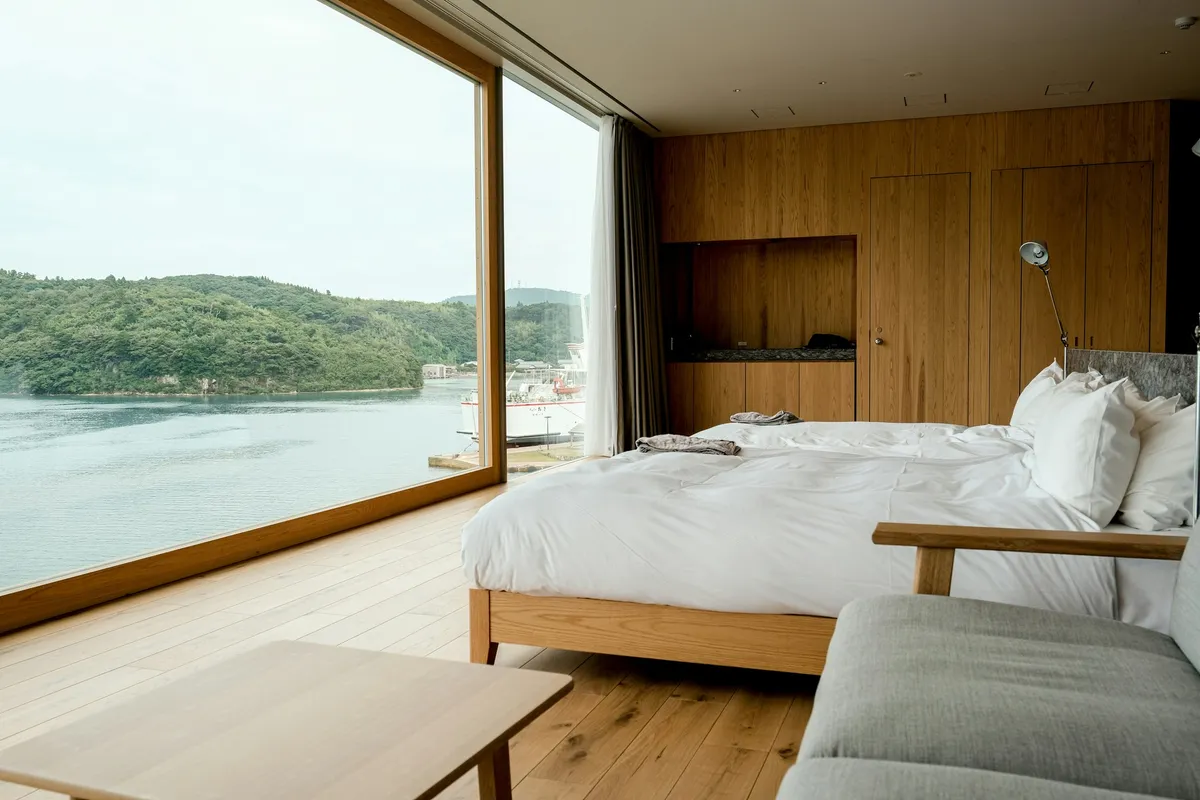
In 2026, revised accommodation taxes and stricter maritime safety enforcements have fundamentally altered the economics and daily operations of floating hotels across Europe. Travelers booking converted barges and harbor vessels now encounter steep tax surcharges, automated security deposits for marine plumbing, and rigid fire safety and pet protocols that carry immediate eviction penalties. If you step onto a gangway expecting the soundproofing, expansive floor space, and effortless climate control of a land-based hotel room, the physical constraints of a steel or concrete hull will immediately confront you.
Understanding the sleeping on water reality requires distinguishing between stationary dockside accommodations and traditional masonry lodging. A floating room is an engineered compartment floating in a dynamic thermodynamic and acoustic medium. It serves travelers seeking architectural novelty or central harbor locations who pack light and sleep soundly through mechanical hums, but it quickly frustrates anyone requiring absolute quiet, spacious accessibility, or hypoallergenic, dry air.
The Sleeping on Water Reality: Space Constraints and Hull Microclimates
Spatial Footprint and Storage Realities in Waterline Quarters
Stepping inside a floating cabin immediately recalibrates your sense of personal space. Terrestrial hotel rooms in Europe average 18 to 22 square meters, but a typical botel room square meters metric drops considerably. On converted river vessels, cabins are shaped by original vessel ribs, bulkheads, and structural watertight compartmentalization that prioritize flotation over guest circulation.
During my stay at Good Hotel London on Royal Victoria Dock, I noted how every inch is calculated: a standard cabin measures just 13 to 14 square meters (140 square feet), priced between £80 and £140 ($105 to $185 USD) per night. Moving down the scale to older converted vessels, standard cabins at Botel Albatros on Prague's Vltava River measure an exact 14 square meters, with nightly rates starting from 1,500 CZK to 2,200 CZK ($65 to $98 USD). Across the English Channel, the floating hotel OFF Paris Seine on the River Seine offers standard cabins averaging 14 to 15 square meters, while purpose-built pontoon rooms at Salt & Sill on Sweden's Klädesholmen Island provide slightly more breathing room at 18 square meters (193 square feet), running between 1,270 SEK and 2,290 SEK ($125 to $225 USD).
| Floating Hotel Property | Vessel Type | Standard Cabin Area | Nightly Price Range (2026) | Under-Bed Storage Clearance |
|---|---|---|---|---|
| Good Hotel London (UK) | Converted Floating Platform | 13–14 sq m | £80 – £140 ($105–$185 USD) | Open frame, fits bags up to 26 cm height |
| Botel Albatros Prague (CZ) | Moored Cabin Cruiser | 14 sq m | 1,500 – 2,200 CZK ($65–$98 USD) | Enclosed wooden base, zero under-bed clearance |
| OFF Paris Seine (FR) | Bespoke Moored Catamaran | 14–15 sq m | €160 – €320 ($175–$350 USD) | Integrated bed frame drawer (shallow) |
| Salt & Sill (SE) | Floating Pontoon Hotel | 18 sq m | 1,270 – 2,290 SEK ($125–$225 USD) | Open under-bunk clearance for luggage |
Luggage Footprint Warning: Standard hard-shell clamshell suitcases require their full footprint multiplied by two when opened flat on the floor. In a 13-square-meter waterline cabin, an open 75 cm suitcase completely blocks the walkway between the mattress and the wet-room door. Soft-sided duffel bags that compress into shallow storage nooks are essential for these quarters.
Thermal Dynamics, Moisture Accumulation, and Sub-Bunk Mildew
The thermodynamic envelope of a vessel differs radically from a standard concrete or brick building. Water acts as an aggressive heat sink: even in midsummer, river and harbor water temperatures typically range between 4 °C and 18 °C. This turns the submerged steel plates and structural stringers of a hull into a continuous thermal bridge, chilling the lower interior air layers while the cabin ceiling retains ambient warmth.
A sleeping adult generates approximately 0.5 to 1.0 liter of moisture overnight through respiration and perspiration. In a standard waterline cabin with minimal air volume, that moisture migrates toward the coldest surfaces. When mattresses sit directly on unperforated plywood bunk boards or metal hull stringers, air cannot circulate underneath. The warm, humid air penetrating the mattress meets the cold bunk platform and drops below the dew point, producing chronic hull condensation and mildew behind skirting boards and directly beneath bedding.
- Sub-Bunk Moisture Trap: Mattresses resting on flat, solid surfaces without airflow slats collect condensed body vapor against the cold hull deck.
- Perimeter Steel Bridging: Uninsulated steel ribs behind decorative paneling cause wall chill, drawing condensation that stains lower curtains.
- Inadequate Airflow Turnover: Cabins without continuous forced fresh air ventilation trap elevated humidity, saturating porous fabrics by morning.
Check-In Mattress Inspection Protocol: When you enter a floating cabin, pull back the bedding at the foot of the bed and lift the mattress off the platform. Inspect the underside of the fabric and the wooden decking for dark mildew spotting, musty odors, or dampness. If the bunk base feels cool and moist, request a dehumidifier or a cabin switch immediately before unpacking.
Motion, Hydrodynamics, and Vestibular Disruptions: Life Inside a Botel Cabin
Nighttime Mooring Dynamics: Swell, Commercial Wake, and Fender Friction
What is cabin living like once the dock settles down for the night? While protected basins seem tranquil at twilight, water bodies never become fully static. Harbor chop, seasonal tidal movements, and commercial traffic constantly displace the pontoon, transferring movement directly through your bunk frame.
On inland commercial waterways like the Seine, Rhine, or Vltava, commercial traffic begins cycling early. Locks typically begin clearing commercial freight barges between 05:30 and 06:00, depending on regional waterway management. As a 2,000-ton loaded cargo barge pushes past at 10 kilometers per hour, its displacement wake travels across the fairway, causing moored floating hotels to roll and surge on their lines. As the hull moves against the quay, heavy cylindrical rubber fenders compress against concrete seawalls, generating a rhythmic fender squeak against piling that penetrates cabin walls even when external river wash appears minor.
To evaluate the maritime activity near your chosen berth before booking, monitor live vessel movements using the MarineTraffic live AIS map. Checking vessel density near your mooring will reveal whether your floating hotel sits directly adjacent to an active commercial shipping lane or tugboat turnaround.
Berth Traffic Audit: Use live vessel-tracking maps to inspect the fairway corridor outside your accommodation. If the botel is moored within 100 meters of an active commercial turning basin or lock approach, prepare for displacement rolling and mooring tension thuds starting around daybreak.
Structural Acoustic Transfer: Steel Shells and Mooring Lines
Steel hulls act as massive acoustic diaphragms. On land, ambient city noise loses intensity as it passes through layered brickwork, double-glazed windows, and acoustic insulation. On a floating vessel, however, sound transmits mechanically through water and metal with almost zero damping.
Bulkhead sound transmission on a ship carries sound along continuous steel frames. When an adjacent vessel starts an auxiliary diesel generator or runs an engine, the low-frequency mechanical vibration travels through the water column, hits the hull plating below the waterline, and resonates into your cabin structure. Similarly, waves repeatedly slapping against the vessel's chines—the angular transition where the side of the hull meets the bottom—produce sharp, metallic hollow claps that sound like someone tapping on your bedside table with a mallet.
| Acoustic Noise Source | Transmission Pathway | Typical Frequency Range | Foam Earplug Efficacy |
|---|---|---|---|
| Hull slapping against water surface | Direct mechanical transfer through steel shell | Low-to-Mid (100–300 Hz) | Moderate attenuation; dampens high slap, leaves low thud |
| Synthetic mooring line tension creak | Cleat to deck frame, down structural bulkheads | Mid-to-High (500–2,000 Hz) | High attenuation with properly fitted silicone earplugs |
| Passing commercial diesel wake | Water column hydroacoustic pressure wave to hull | Very Low Sub-Bass (20–80 Hz) | Ineffective; perceived as structural vibration through bedframe |
| Fender compression against pier | Rubber-to-concrete friction along hull rub-rail | Mid-Frequency (300–800 Hz) | Moderate attenuation; repetitive pattern disturbs light sleep |
Acoustic Defense Hierarchy: Standard expanding foam earplugs only filter high-frequency sounds like street conversations. They do not block the low-frequency vibrations of structural hull resonance. Combine high-density silicone earplugs with a constant white-noise application on your phone placed on a soft pad to mask the low-frequency thrum of river wake.
Vestibular After-Effects: From Dock Rock to Persistent Maladaptation
A floating hotel honest review must address the physiological consequence of continuous, low-amplitude movement. When you stay aboard a moored vessel, your brain adapts its balance model to compensate for the ongoing micro-sway. Once you step back onto firm land, that compensation does not always shut off immediately.
Medical research indexed in the PubMed Central vestibular disorder review documents that 72% to 73% of seafarers experience a temporary sensation of sway or land-sickness—commonly called dock rock—after returning ashore. For most botel guests, this transient disorientation clears within 24 to 48 hours. However, in sensitive individuals, this prolonged vestibular adaptation can trigger Mal de Débarquement Syndrome (MdDS), a persistent neurological state where phantom sensations of rocking, bobbing, and swaying last for weeks or months, often accompanied by visual fatigue and brain fog.
- Transient Dock Rock: Mild swaying felt primarily while standing still in enclosed land-based spaces (like showers) during the first 48 hours after checkout.
- Active Disorientation Risk: Extended stays exceeding three nights on vessels exposed to tidal shifts or harbor chop significantly increase readaptation times.
- Susceptibility Profiles: Travelers prone to vestibular migraines or motion-induced nausea face higher risks of persistent post-stay imbalance.
Vestibular Recalibration Protocol: If you feel floating or rocking sensations after checking out, keep your gaze fixed on distant, stationary horizons while walking outdoors. Avoid spending extended periods reading on your phone in enclosed land bathrooms, which deprives the vestibular system of the visual feedback needed to reset.
The Marine Plumbing Reality: Waste Systems, Holding Tanks, and Failure Modes
Macerator Mechanics, Noise Profiles, and Narrow-Bore Evacuation
The sanitary infrastructure of a floating accommodation operates under completely different mechanical principles than terrestrial gravity-fed plumbing. Because cabins frequently sit at or below the municipal sewer line, waste cannot flow downward through standard 100-millimeter domestic drainage pipes. Instead, floating hotels rely on specialized marine sanitation units.
A typical botel installation utilizes an electric marine macerator toilet, such as the widely specified systems detailed in the Sanimarin marine systems technical documentation. These units use high-speed rotating stainless steel blades to pulverize human waste and standard toilet tissue into a fine slurry, which is then pumped out through narrow-bore flexible discharge lines measuring just 25 to 38 millimeters in diameter. Modern marine macerators operate at acoustic pressure levels certified between 46 dB(A) and 52 dB(A), producing a sharp mechanical grinding whine that pierces quiet night hours whenever you or an adjoining cabin neighbor flushes.
- Pipe Bore Vulnerability: The 25–38 mm discharge lines easily choke on anything denser than dissolving toilet paper.
- Acoustic Profile: The electric motor and cutter blades emit a 46–52 dB(A) whine that vibrates through shared cabin wet-room bulkheads.
- Immediate Mechanical Seizure: Synthetic fibers from sanitary products, makeup pads, and wet wipes wrap around the cutter shaft, instantly jamming the electric motor.
Mechanical Liability Notice: In commercial boat charter and narrowboat hire terms, clearing a macerator jammed by non-flushable wipes incurs a mandatory callout fee of £150 (~€175). In stationary urban botels, hotel policies hold guests financially liable for emergency plumbing repairs if foreign hygiene items cause an overflow.
Blackwater Management, Shore Connections, and Trap Evaporation Odors
Every floating vessel must handle blackwater using one of two methods: pumping waste directly through flexible dockside shore-power conduits into municipal sewers, or storing waste aboard in a dedicated blackwater holding tank that requires regular pump-out service.
Odors rarely enter modern cabins from properly functioning storage tanks. Instead, foul smells almost always trace back to dry plumbing traps. Because floating cabins experience continuous micro-tilting from river currents, the shallow water barriers inside floor drain P-traps can shift, splash out, or evaporate. When a holding tank pump-out cycle activates or an exhaust fan pulls negative air pressure into the bathroom, air is sucked backward through these empty traps, drawing stale tank fumes and graywater odors directly into the cabin living area.
Odor Elimination Drill: As soon as you enter your floating cabin, take a water bottle and pour roughly 500 milliliters of tap water into the floor drain of the wet room and the shower basin. This simple step primes the P-traps, creating an airtight hydraulic seal that prevents holding-tank vapors from venting into your bedroom.
Ingress, Egress, and Structural Boundaries at the Waterline
Gangway Gradients, Water Level Fluctuations, and Mobility Barriers
Crossing from solid ground onto a floating hotel requires navigating an articulating gangway. While promotional photos show level, carpeted bridges stretching smoothly from the dock, real-world gangway slope and tidal shift dynamics vary throughout the day and year.
Even non-tidal rivers fluctuate depending on upstream rainfall, dam releases, and seasonal runoffs. In Paris, the Seine experiences multi-meter stage shifts between autumn rains and late-summer dry periods; similarly, Prague's Vltava shifts with regional reservoir adjustments. During high-water surges or severe seasonal low water, the approach angle of an articulated metal gangway can change dramatically, transforming what was a mild ramp into a steep incline exceeding 25 to 30 degrees. If you are hauling 20-kilogram four-wheel suitcases, maneuvering up or down ribbed, wet aluminum walkways at a 30-degree incline presents a serious slipping hazard and an exhausting physical obstacle.
- Variable Walkway Pitch: River fluctuations can transform access ramps from level passages into steep, slippery gradients.
- Wheeled Luggage Difficulties: Raised structural cleats, expansion plates, and diamond-plate tread on gangways will snag small spinner wheels.
- Step-Free Limitations: Many older converted botels lack hydraulic leveling ramps, making them entirely inaccessible for standard wheelchairs.
Mobility Accessibility Check: If you have knee issues, travel with heavy rolling luggage, or use a mobility aid, contact the front desk before booking. Ask for the maximum gangway slope angle expected during your travel dates and verify whether dock-level staff are available to assist with luggage transit.
Sealed Lower-Deck Enclosures and Moisture Intrusion Protocols
Lower-deck cabins offer a distinct visual perspective: the river surface sits right at window level, with waterfowl paddling past your pillow. However, staying on this level comes with strict structural limitations mandated by international and domestic river safety standards.
Under maritime flood prevention regulations detailed in the Netherlands maritime safety standards registry, openable hull portholes and side scuttles are strictly prohibited in passenger compartments situated below or close to the main deck or damage waterline. To protect against progressive flooding caused by passing wakes or unexpected listing, these openings are permanently sealed with thick safety glass and heavy-duty compression frames.
Because you cannot open a porthole neoprene gasket to air out the room, you are entirely dependent on mechanical climate control. If the vessel's forced-air system falters, humidity rises quickly, turning your lower-deck cabin stuffy and damp within hours.
Gasket and Moisture Audit: When entering a waterline room, examine the perimeter of the porthole frame. If you spot white salt crusting, cracked rubber gaskets, or pooling moisture along the bottom edge of the metal ring, point it out to management immediately. These signs indicate degraded neoprene seals that can allow moisture to weep into the room during heavy river swells.
Financial and Regulatory Fine Print: Hidden Fees, Penalties, and Mooring Surcharges
Accommodation Taxes, Water Tourism Levies, and Surcharges
The upfront price you see on hotel booking engines often leaves out specialized municipal surcharges levied on floating accommodations. Cities managing heavy tourism have updated their tax codes to equalize—or heavily penalize—floating dwellings and short-stay houseboats.
The Netherlands provides a prime example of this financial shift. As of 2026, the Dutch government officially raised the national VAT on short-stay lodging from 9% to 21%, as documented in the Dutch business regulatory portal on VAT rates. When paired with the municipal tourist tax enforced by the City of Amsterdam tourist tax regulation—which stands at 12.5%—the cumulative tax surcharge on an Amsterdam botel or houseboat stay climbs to approximately 33.5%. A room listed at a base rate of €150 per night ends up costing over €200 once mandatory tourist tax and lodging VAT charges are factored in at check-in.
| Cost Component | Baseline Rate (2025 Model) | Current Rate (2026 Framework) | Financial Impact on €150/Night Base Stay |
|---|---|---|---|
| National Lodging VAT (Netherlands) | 9% | 21% | Increases lodging tax portion from €13.50 to €31.50 |
| Municipal Tourist Tax (Amsterdam) | 12.5% | 12.5% | Adds a flat €18.75 per room night |
| Combined Effective Tax Load | 21.5% | ~33.5% | Total nightly tax equals approximately €50.25 |
| Final Out-of-Pocket Cost | €182.25 | €200.25 | An extra €18.00 per night due to 2026 VAT adjustment |
Folio Audit Guide: Check the tax breakdown on online travel agency (OTA) booking screens before finalizing your reservation. Many platforms display rates without local levies, leaving local tourist taxes and port-berth fees to be collected at the front desk upon arrival.
Cabin Exposure Trade-Offs: River View vs. Quay View
Booking a floating hotel room requires choosing between two distinct exposures: facing outward toward the river or facing inward toward the mooring quay. Each orientation involves a clear trade-off in price, privacy, and sleep quality.
Facing the water provides sweeping views and open horizons, but it comes at a higher financial and physical cost. At OFF Paris Seine, river-facing cabins and suites carry a substantial premium, with rates spanning €160 to €320 ($175 to $350 USD) depending on orientation. These outward-facing berths absorb the full impact of cold offshore winds and the rolling displacement wake of passing commercial traffic. By contrast, choosing a quay view saves money and provides a more stable berth sheltered from river chop. However, it often puts your window directly at eye level with pedestrians walking along the public dock, forcing you to keep curtains drawn day and night to maintain privacy.
Berth Selection Rule of Thumb: If you are sensitive to movement and wake, choose a quay-facing room. The hull remains noticeably more stable against the dock, and prices are typically 20% to 40% lower. If you prioritize natural light and uninterrupted water views over sleep stability, reserve a fairway-facing cabin.
Onboard Behavioral Penalties: Smoking Restrictions and Pet Prohibitions
Floating accommodations operate under strict marine safety regulations. Fire aboard a moored vessel is an existential hazard with limited evacuation routes, meaning hotels enforce behavioral rules far more strictly than traditional properties ashore.
At Botel Albatros in Prague, an absolute non-smoking policy applies throughout all interior cabins, corridors, and decks. Violating this rule results in an immediate fine of 5,000 CZK (~$220 USD) and immediate eviction from the vessel with zero refund. Pet access is regulated with equal severity due to marine hygiene, waste containment, and tight cabin confines.
- Prague Botel Albatros: Strictly prohibits pets across all cabin categories. Sneaking an animal aboard results in an immediate €100 deep-cleaning penalty.
- Salt & Sill (Sweden): Limits pets strictly to three designated pre-booked floating units (two standard rooms, one sea-view room) or their off-water villa, providing an onboard dog bed and water bowl.
- Emergency Evacuation Compliance: Marine emergency muster plans require an exact count of human and animal occupants; undeclared pets violate maritime port safety registrations.
Pet & Smoke Verification Checklist: Never assume a pet-friendly listing applies to every cabin on a vessel. If you travel with an animal or require outdoor smoking areas, verify room-specific permissions in writing before checking in to avoid instant eviction or deep-cleaning fines.
The Practical Guide to Boat Hotels: Who Should Book and Who Should Stay Ashore?
Traveler Profiles: Vetting Candidacy for Floating Living
A realistic assessment of boat hotels separates successful stays from frustrating ones. The physical realities of living on the water—vibrational hums, narrow corridors, steep ramps, and tight cabin layouts—do not suit every traveler.
Adventurous, minimalist travelers on short visits of one to three nights often thoroughly enjoy the experience. If you pack a light duffel bag, appreciate maritime design, and sleep soundly through muffled environmental hums, waking up at the waterline offers an engaging shift from generic chain hotels. Conversely, travelers who should book traditional land-based accommodations include:
- Vibration-Sensitive Light Sleepers: Anyone disturbed by intermittent generator hums, passing wakes, or low-frequency hull vibrations.
- Travelers with Restricted Mobility: Guests using wheelchairs, walking canes, or heavy rolling luggage who cannot manage steep, wet gangways at low river stages.
- Claustrophobic Individuals: Anyone uncomfortable sleeping in 13-to-14-square-meter waterline cabins with permanently sealed, non-opening portholes.
- CPAP Machine and Medical Device Users: Those who rely on continuous power strips, extensive bedside table clearance, and zero-humidity environments for medical equipment.
Three-Question Pre-Booking Self-Test: Can you easily carry all your luggage up a steep flight of stairs unassisted? Do you sleep soundly when low-frequency noises hum in the background? Can you comfortably manage your daily routine inside a 14-square-meter space? If you answer "no" to any of these questions, book a hotel on solid ground.
Final Reality-Check Checklist and Shoreline Alternatives
If you decide to book a floating room, run through this practical guide boat hotels checklist before paying a non-refundable deposit. Confirm whether your room sits on the upper deck or at the waterline, ask whether the gangway meets municipal accessibility guidelines during your visit dates, verify the mandatory local lodging taxes due at the desk, and check if the bathroom uses a macerator system that limits foreign hygiene products.
For deeper insights into stationary barges, compare your options using our guide to static houseboat hotel stays or explore regional vessel conversions in our breakdown of river hotels and moored cruise ships. If you are debating between an urban vessel and an offshore lodge, review the logistics in our overview of floating resorts and pontoons, or compare European city berths through our field-tested guide to European urban botels and barge hotels.
If the physical realities of motion, compact plumbing, and narrow quarters seem poorly matched to your travel preferences, consider staying in a converted harbor warehouse, a canal-side townhouse, or a dry-docked maritime museum hotel. These land-based alternatives deliver historic waterside atmospheres and sweeping harbor views without the thermal bridging, low-frequency acoustic transfer, and mechanical constraints of living afloat.