 Floating Hotel
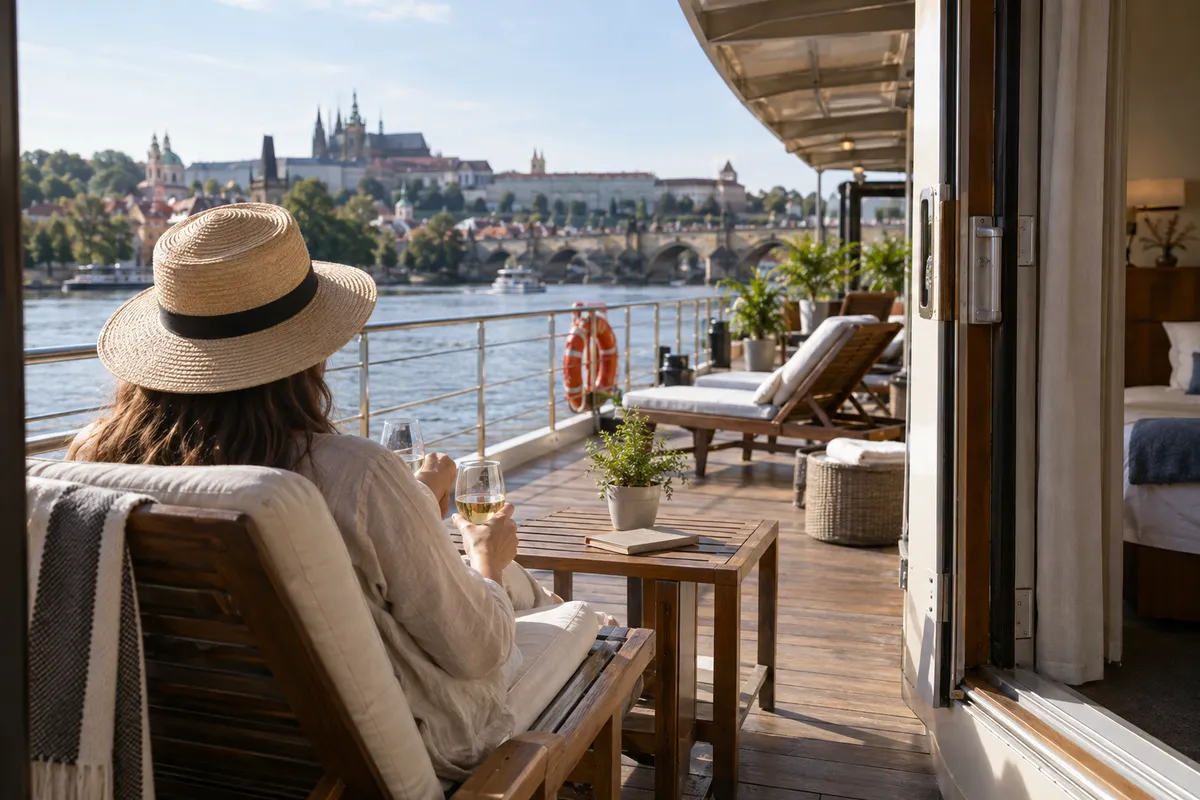
Water moderates ambient air temperatures during high summer, but a moored steel hull functions as a massive thermal sponge if direct solar radiation outpaces natural ventilation. Over twelve years of boarding floating accommodations across various waterways, I have stepped into upper-deck berths that felt like sealed metal ovens and lower river cabins cooled entirely by current immersion. Choosing between floating hotel stays during peak heat demands looking past promotional deck chairs to evaluate marine HVAC capacity, waterline thermal dynamics, and open-air accessibility.
Sleeping on water alters nighttime acoustic and thermal realities compared to traditional brick-and-mortar hotels. Embankments channel urban nightlife noise across calm river surfaces with minimal dissipation, while opening an unscreened porthole invites local river insects straight toward your bedside lamp. Understanding how individual vessels handle marine climate control, roof deck exposure, and shoreline logistics is necessary before committing your summer itinerary to the water.
Summer Floating Hotel Stays: How Water Microclimates and Hull Engineering Impact Comfort
Steel Hulls, River Currents, and the Urban Heat Island Effect
Moored vessels interact with summer heat differently depending on their hull depth and structural materials. While surrounding city pavements absorb and re-radiate daytime heat to fuel an intense urban heat island effect, natural river currents draw thermal energy away from the submerged portions of a metal hull. During heatwaves, a cabin positioned below or directly at the waterline stays noticeably tempered by the lower water temperature, creating a localized passive cooling effect.
Conversely, steel superstructures exposed above the waterline absorb intense solar radiation throughout the day. Without heavy marine insulation, the upper bulkheads and metal roof decks transfer that collected heat straight into interior cabins well past sunset. Calm open water surfaces reflect less than 10% of incident ultraviolet radiation according to World Health Organization UV data, but white foam or passing boat wakes elevate surface glare toward 25%. This makes unshaded sun decks exceptionally hot underfoot by mid-afternoon.
Guests also regularly encounter thermal creaks along metal gangways and pontoon hinge points as evening ambient temperatures drop, though standardized civil engineering handbook measurements for botel gangway expansion remain unconfirmed in public databases. The practical physics remain consistent across harbors: lower berths benefit from water cooling, while elevated steel decks require rigorous thermal defense.
Marine HVAC Performance vs. Natural River Breeze Ventilation
Standard residential split air conditioners struggle in maritime environments because continuous water evaporation generates heavy relative humidity. Effective marine HVAC performance requires specialized water-cooled chillers or heavy-duty ducted compressors designed to extract liters of moisture from cabin air each hour. When a vessel relies instead on river breeze ventilation, comfort depends entirely on ambient wind direction and porthole geometry.
Retrofitted historic barges frequently lack the structural conduits required for ducted ductwork, leaving lower cabins dependent on natural airflow or basic heating radiators. Sleeping in an un-airconditioned boat cabin during a July European heatwave often results in stagnant, humid air that simple wall fans cannot relieve. Before booking, evaluate the vessel’s thermal baseline:
- Does the cabin feature individual active marine air conditioning or solely passive river airflow?
- Is the room glazed with sealed panoramic windows that produce a greenhouse effect under direct sun?
- Does the porthole feature an operational seal and an insect screen for evening opening?
- Is the cabin positioned above the waterline facing direct afternoon sun, or shaded by the dock?
Booking an uncooled metal cabin facing south or west on an urban river can push indoor evening temperatures above 30°C. Never assume a floating hotel has active cooling unless an individual AC unit or central ducted marine HVAC is explicitly confirmed for your specific cabin tier.
Comparison of Leading Summer Floating Hotels: Deck Space, Cooling, and Rates
How I Evaluated and Compared Summer Botels
To establish this comparative baseline across properties from the published site registry, I evaluated four operational pillars: verified in-cabin cooling infrastructure, usable open-air sun deck square footage, night acoustic exposure from adjacent quays, and transparent pricing structures. For complete context on seasonal rates and policies, consult my breakdown of floating hotel booking and hidden mooring fees.
Pricing models fall into two distinct operational groups: published fixed rack rates (such as those at Botel Matylda and Arctic Bath) and dynamic yield pricing algorithms that fluctuate daily based on occupancy (such as OFF Paris Seine and Hotel CPH Living). Mandatory local surcharges, including municipal tourist taxes, mandatory pet fees, and private boat transfers, were cataloged directly alongside base rates to determine true out-of-pocket costs.
Full 12-Property Comparative Matrix
The matrix below covers 12 inspected properties from the site directory, contrasting cooling setups, outdoor deck configurations, base rates, and summer operational limitations.
| Property Name | Location | Vessel Type | Starting Rate / Pricing Model | Primary Summer Advantage | Primary Summer Limitation & Mandatory Fees |
|---|---|---|---|---|---|
| Botel Amsterdam | Amsterdam, Netherlands | Converted Passenger Ship & Letter Suites | Dynamic rates (from ~75–95 EUR) | NDSM wharf breeze; standalone AC in 5 Loft Letter Suites | Standard hull cabins lack air conditioning; industrial heat buildup |
| Botel Matylda | Prague, Czech Republic | Historic Barge & River Ship | Official rack rates 70–85 EUR (standard) up to 135–149 EUR (suites) | All 18 rooms on Klotylda feature individual AC; central river setting | 6 standard double cabins on Matylda barge lack AC; embankment street noise |
| Sunborn London Yacht Hotel | London, United Kingdom | 108m Non-motorised Superyacht | From 180 GBP | Full ducted marine HVAC in all staterooms; calm dock basin | No swimming pool; south-facing upper staterooms face direct solar glare |
| OFF Paris Seine | Paris, France | Bespoke Catamaran Hotel | Dynamic rates (from ~150 EUR) | 10m plunge pool heated to 28°C; seasonal AC in all 58 rooms and suites | Lively public bar deck noise; excludes 8.45 EUR/person/night Paris tourist tax |
| Fingal | Edinburgh, United Kingdom | Converted Lighthouse Tender | From 264 GBP | Teak promenade open decks; individual digital cabin climate control | High nightly tariff; cool maritime coastal breezes rather than sunbathing warmth |
| Arctic Bath | Harads, Sweden | Floating Architectural Cabins | From 5,995 SEK | Private 57.5 m² timber deck; direct Lule River dips under midnight sun | Sub-arctic cold river immersion only; remote access logistics |
| Botel Albatros | Prague, Czech Republic | Moored Botel | Dynamic rates (from ~56 EUR) | Refit installed individual AC/heating across all 90 cabins | Strict 5,000 CZK smoking fine; 100 EUR pet cleaning fee; compact berths |
| Hotel CPH Living | Copenhagen, Denmark | Converted German Cargo Barge | Dynamic pricing (no static rack rate published) | Communal rooftop sundeck access included; floor-to-ceiling glass harbor views | No active AC (underfloor heating only); solar gain through harbor-facing glass |
| Sunborn Gibraltar | Ocean Village, Gibraltar | 142m Superyacht Hotel | From 180 GBP | Top-deck swimming pool; ducted marine HVAC across 189 rooms and suites | Intense Mediterranean solar exposure; marina restaurant noise on lower decks |
| Queen Elizabeth 2 | Dubai, UAE | Converted Ocean Liner | Dynamic rates (from ~350 AED) | Industrial-grade ocean liner HVAC handles extreme Gulf summer temperatures | Moored in commercial Mina Rashid port; sealed portholes with zero direct water contact |
| The FloatHouse River Kwai Resort | Sai Yok, Thailand | Floating Teak Villas | Dynamic rates (from ~4,800 THB) | 90 m² teak villas with continuous in-room AC and private water moorings | High jungle humidity; reachable exclusively via river longtail boat |
| River Kwai Jungle Rafts | Sai Yok, Thailand | Off-grid Bamboo Rafts | Dynamic rates (from ~2,200–2,500 THB) | Total natural river current cooling; authentic off-grid jungle isolation | Zero electricity, no AC, no electric fans, cold showers; late transfers cost 1,200 THB |
To sort these options effectively when planning: filter first by cooling technology (Marine HVAC vs. Passive Convection), then check whether deck access is communal (rooftop lounge) or private (direct river mooring).
Waterfront Hotel Sun Decks and Water Access: Pools, Pontoons, and Patios
Plunge Pools and Midnight Sun Dips: Wet Decks from Paris to Lapland
Water access varies drastically between urban river botels and remote wild lodges. In Paris, OFF Paris Seine bridges its twin catamaran hulls with a central deck housing a 10-meter plunge pool heated to 28°C year-round. Moored at 86 Quai d’Austerlitz, this open-air pool deck sits right at the waterline, placing swimmers eye-level with passing commercial river traffic. During warm summer evenings, deck space around the pool transitions into a lively social lounge.
At Arctic Bath in northern Sweden, water access takes a wilder, colder form. Its six 24 m² Water Cabins remain afloat throughout summer along the Lule River, anchored by dedicated pontoon footbridges. Each cabin includes a 57.5 m² private timber deck, allowing guests to step directly into cold river water under the midnight sun before returning to an interior climate-controlled cabin. For travelers exploring Scandinavia, my guide to Nordic floating cabins and water saunas outlines similar seasonal cold-immersion protocols.
At Sunborn Gibraltar, water immersion shifts from the sea to an elevated yacht pool. Berthed in Ocean Village marina, the vessel provides a top-deck freshwater pool lined with loungers. Deck safety remains a crucial factor: unshaded dark composite and teak decking frequently exceed 50°C under the Mediterranean midday sun, requiring footwear when transitioning between sunbeds and shaded cabanas.
Rooftop Terraces vs. Private Floating Pontoons: Urban Lounging to Jungle Rafts
An elevated sundeck offers panoramic town views but exposes guests to relentless sun and gusty channel winds. Hotel CPH Living in Christianshavn utilizes its entire flat roof as an open timber deck furnished with tables and sun loungers. The breeze off Copenhagen harbor keeps the roof comfortable during clear days, yet the lack of fixed awnings means there is zero shade during peak solar hours.
Low-slung pontoons provide an intimate connection to the current but demand caution regarding river traffic and wakes. In Sai Yok, Thailand, The FloatHouse River Kwai Resort equips each 90 m² floating teak villa with a private veranda and a personal swim pontoon. Downstream, River Kwai Jungle Rafts features continuous bamboo verandas fitted with woven hammocks directly over the rushing water. Stepping onto these low platforms requires watching for slippery river algae and understanding that passing longtail boats generate sudden wake surges.
The Summer River Sleep Guide: AC Reliability, Portholes, and Embankment Noise
Cabin Air Conditioning Under Scrutiny: From Historic Hulls to Modern Superyachts
Cabin climate control across floating properties reveals several major category discrepancies. A prime example is Prague’s Botel Matylda: all 18 rooms aboard the modern ship Klotylda feature individually controlled air conditioning, while the 6 standard double cabins aboard the historic cargo barge Matylda contain only central heating radiators, making them sweltering during summer heatwaves. For wider regional context, read my survey of inspected European floating hotels.
Similar structural realities exist in Amsterdam and Copenhagen. Botel Amsterdam at NDSM Pier 3 features dedicated standalone AC units in its 5 rooftop Loft Letter Suites, but its standard lower hull cabins have no air conditioning. At Hotel CPH Living, none of the 12 rooms have active air conditioning; while underfloor heating handles winter chill, the expansive south-facing panoramic glass traps solar heat on sunny summer afternoons.
Conversely, vessels engineered with comprehensive marine HVAC maintain steady interior temperatures regardless of outside heat. Following an extensive refit across 2025–2026, Botel Albatros outfitted all 90 cabins—including standard, deluxe, and family rooms—with individual digital climate control. In extreme climates, purpose-built systems are mandatory: Sunborn London Yacht Hotel and Dubai’s Queen Elizabeth 2 utilize continuous, high-volume ducted marine systems that extract cabin moisture and maintain 20°C even in sweltering docklands.
Night Acoustics, Embankment Life, and Porthole Ventilation Challenges
Moored vessels exist in a distinct acoustic environment because open water acts as an acoustic reflector, bouncing quay chatter and motor sounds straight through open portholes. In central Paris, monitoring data from the regional noise observatory Bruitparif tracks night sound levels averaging 72 dB(C) along lively river promenades like Quai d’Austerlitz. In Prague, city bylaws enforce quiet hours after 22:00 and restrict embankment alcohol consumption past midnight along Náplavka, but terrace dining hum carries clearly across the water.
Relying on open portholes for nighttime river cooling creates a secondary complication: aquatic insects. Waterfront botels rarely install fine insect mesh on historic brass porthole hardware. Switching on a cabin reading light with an unscreened river-facing porthole open quickly attracts non-biting midges and river flies, forcing guests to choose between muggy interior air and an insect invasion.
House rules on converted vessels are strictly maintained to protect living conditions and safety. At Botel Albatros, a total smoking prohibition applies throughout the vessel, backed by an immediate 5,000 CZK penalty and forfeiture of the stay, while travelers with pets must pay a mandatory 100 EUR deep-cleaning fee. More details on vessel motion and sound transmission appear in my analysis of river currents, vibrations, and sleep quality.
Profile Spotlights: 12 Summer Floating Hotels from the Registry
European Urban Hulls and Historic Re-fits
- Botel Amsterdam (Amsterdam, Netherlands): Moored at NDSM Pier 3 with a complimentary ferry link to Centraal. The 5 architectural Loft Letter Suites perched atop the roof feature active air conditioning, whereas basic lower hull berths rely solely on natural harbor airflow.
- Botel Matylda (Prague, Czech Republic): Berthed near the Dancing House on the Vltava. According to the official Botel Matylda accommodation roster, Klotylda provides 18 AC-equipped rooms, while the 6 original Matylda barge cabins are un-airconditioned. Published rack rates span 70–85 EUR for standard rooms up to 135–149 EUR for Deluxe Junior Suites.
- Botel Albatros (Prague, Czech Republic): Fully renovated across 2025–2026, outfitting all 84 standard, 3 deluxe, and 3 family cabins with individual AC, as detailed on the Botel Albatros room specifications page. It enforces a 5,000 CZK smoking fine and a 100 EUR pet cleaning fee.
- Hotel CPH Living (Copenhagen, Denmark): A 12-room converted German barge at Langebrogade with underfloor heating and floor-to-ceiling glass. There is no active AC; dynamic room rates include full access to the shared rooftop sundeck.
- OFF Paris Seine (Paris, France): A 58-key catamaran botel on the Seine featuring a central 10m plunge pool heated to 28°C and seasonal AC in all cabins. Booking terms exclude the mandatory Paris tourist tax of 8.45 EUR per adult per night.
- Fingal (Edinburgh, United Kingdom): A 23-cabin converted lighthouse tender berthed in Leith. It offers ducted digital climate control, expansive outdoor teak decks, and entry rates from 264 GBP per night.
Luxury Superyachts, Tropical Rafts, and Wilderness Escapes
- Sunborn London Yacht Hotel (London, United Kingdom): A 108-meter non-motorised luxury yacht at Royal Victoria Dock with fully ducted marine HVAC in all staterooms and rates starting from 180 GBP.
- Sunborn Gibraltar (Ocean Village, Gibraltar): A 142-meter moored yacht with 189 rooms and suites, ducted marine climate control, a top-deck pool, and starting prices from 180 GBP per night.
- Queen Elizabeth 2 (Dubai, UAE): Berthed permanently at Mina Rashid, this historic 13-deck liner relies on heavy-duty central marine HVAC engineered to handle Persian Gulf summer heat.
- Arctic Bath (Harads, Sweden): Features 6 floating Water Cabins (24 m²) floating on the Lule River in summer and frozen into winter ice. Official rates on the Arctic Bath Water Cabin page start from 5,995 SEK, including active AC, a pellet stove, and a private 57.5 m² timber deck.
- The FloatHouse River Kwai Resort (Sai Yok, Thailand): Standalone 90 m² floating teak villas with continuous in-room AC, private docks, and access via scheduled river longtails.
- River Kwai Jungle Rafts (Sai Yok, Thailand): Completely off-grid bamboo rafts with zero electricity, no AC, and no electric fans. Rooms feature manual hand fans and evening kerosene lanterns. Scheduled boat transfers from Phutakien Pier run complimentary between 14:00 and 18:00; off-schedule transfers incur a 1,200 THB private boat charge.
Strategic Booking Verdict: Choosing the Right Floating Stay for Your Summer
Match Your Travel Scenario: Heat Tolerance, Budget, and Atmosphere
Matching a vessel to your personal summer tolerances prevents costly booking regrets:
- Zero Heat Tolerance (Demanding Full Marine HVAC): Book the newly refitted cabins at Botel Albatros, the Klotylda vessel at Botel Matylda, OFF Paris Seine, Sunborn London, or Queen Elizabeth 2. Avoid lower un-airconditioned botel hulls entirely.
- Eco-Minded Adventurers (Tolerant of Natural Tropical Heat): River Kwai Jungle Rafts delivers authentic jungle immersion where you cool off directly in the river current, provided you can sleep without fans or AC.
- Mild-Climate Design Lovers: Hotel CPH Living suits travelers who appreciate panoramic harbor glass and rooftop lounging, provided Copenhagen daytime temperatures remain moderate.
- Wilderness Luxury Seekers: Arctic Bath balances sub-arctic river immersion with high-end cabin climate control and direct water platforms under 24-hour daylight.
Final Summer Floating Hotel Checklist
- Verify the exact hull wing: Confirm whether your assigned cabin is on an air-conditioned ship (such as Klotylda at Botel Matylda) or an uncooled barge (Matylda).
- Account for mandatory local fees: Add the 8.45 EUR/night Paris tourist tax at OFF Paris Seine, the 100 EUR pet cleaning fee at Botel Albatros, or potential 1,200 THB late boat transfers at Jungle Rafts into your total budget.
- Select berth orientation: Request an outward river-facing cabin rather than an embankment-facing berth to limit quay noise and foot traffic exposure.
- Check window screens: If staying in an uncooled cabin, pack personal insect repellent and check if opening portholes feature fine mesh screens.